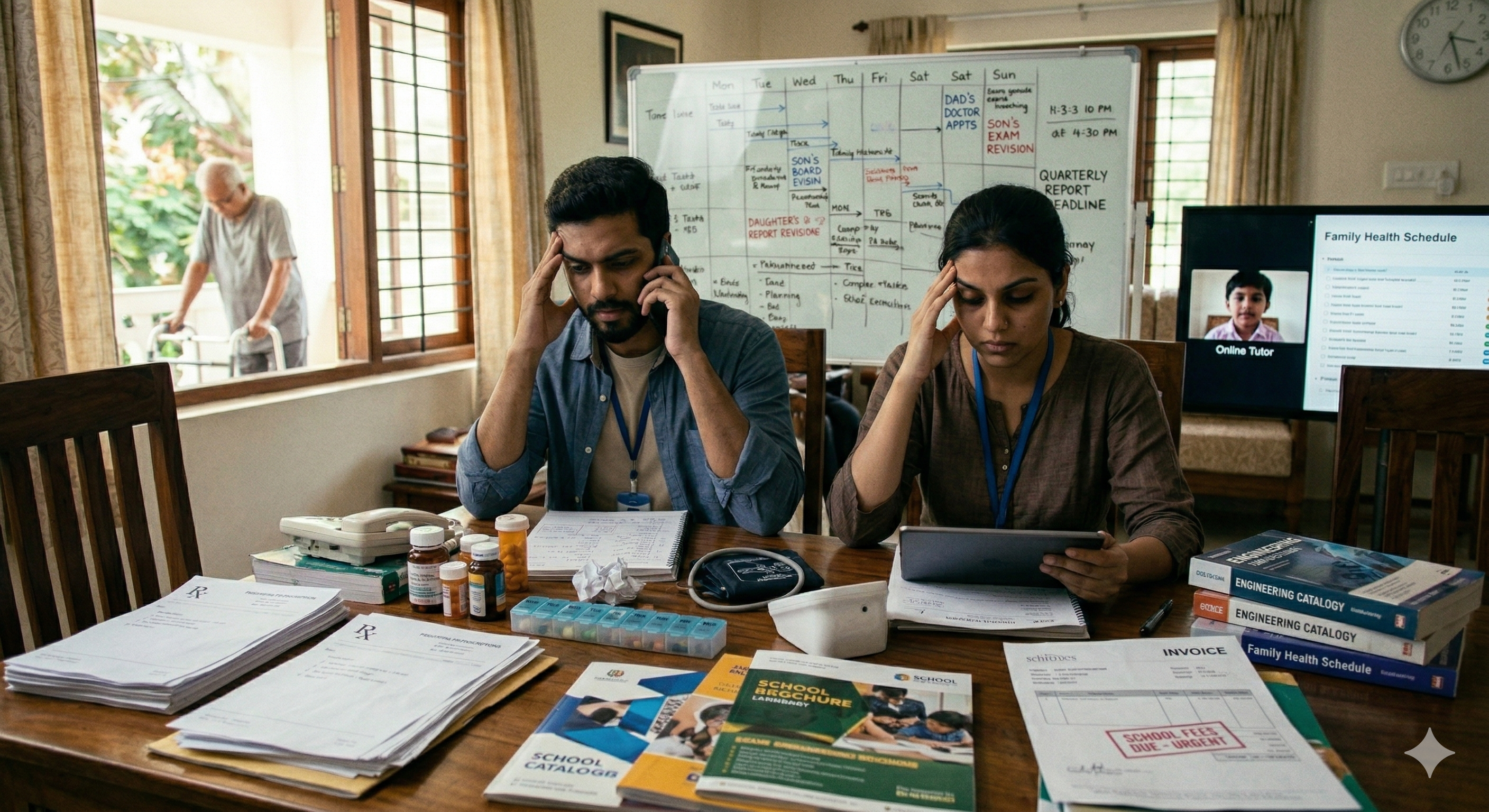
The scene is increasingly familiar in urban India: an executive in Bangalore balancing school fees for engineering entrance exams while coordinating medical care for parents in Madurai. Between a child’s board exam revision and a demanding quarterly report at work, the "Sandwich Generation" is being squeezed from both sides.
This demographic, caught between the needs of aging parents and the requirements of growing children, faces a unique set of logistical, financial, and emotional pressures. Understanding these challenges is the first step toward managing them effectively.
The Cultural Complexity of Care
In the Indian context, caregiving is deeply intertwined with cultural expectations. Unlike many Western societies where professional senior living is a standard transition, Indian families often view adult children as the primary caregivers.
Even as families transition from joint to nuclear structures, the emotional and duty-bound ties remain. This often leads to "long-distance caregiving," where children manage household logistics, medical appointments, and domestic staff for their parents from a different city. The result is often a "perpetual guilt" cycle—the feeling of never being quite present enough for any one role.
The Financial Juggling Act
The "Sandwich Generation" faces a double-ended financial commitment. On one side, the cost of higher education and specialized coaching is skyrocketing. On the other, the medical needs of aging parents—including chronic medication, home healthcare, and mobility aids—represent a significant, recurring expense.
Many families are forced to make difficult trade-offs, sometimes delaying preventive health checkups for elders or scaling back on extracurriculars for children. However, a more sustainable approach involves strategic investment.
-
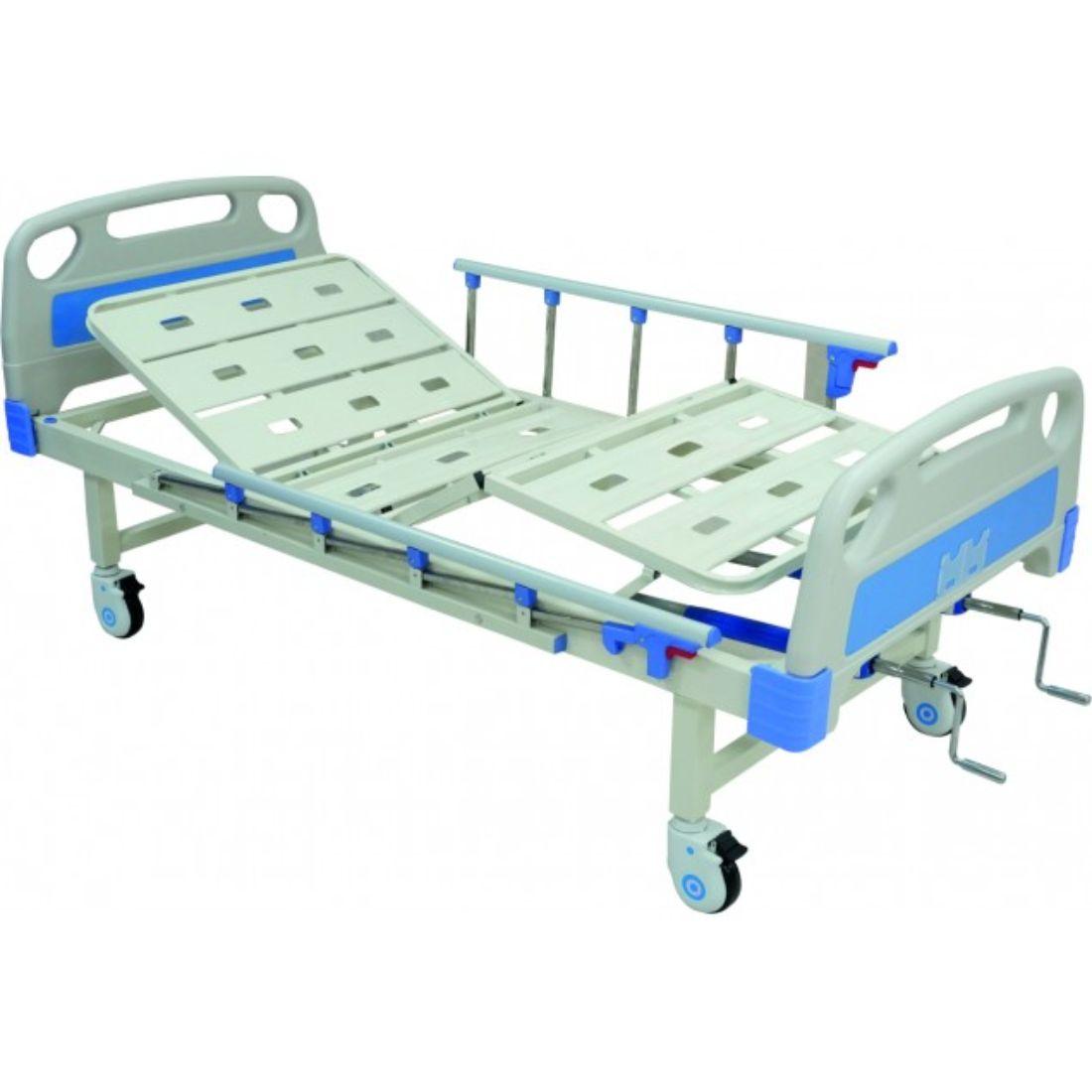
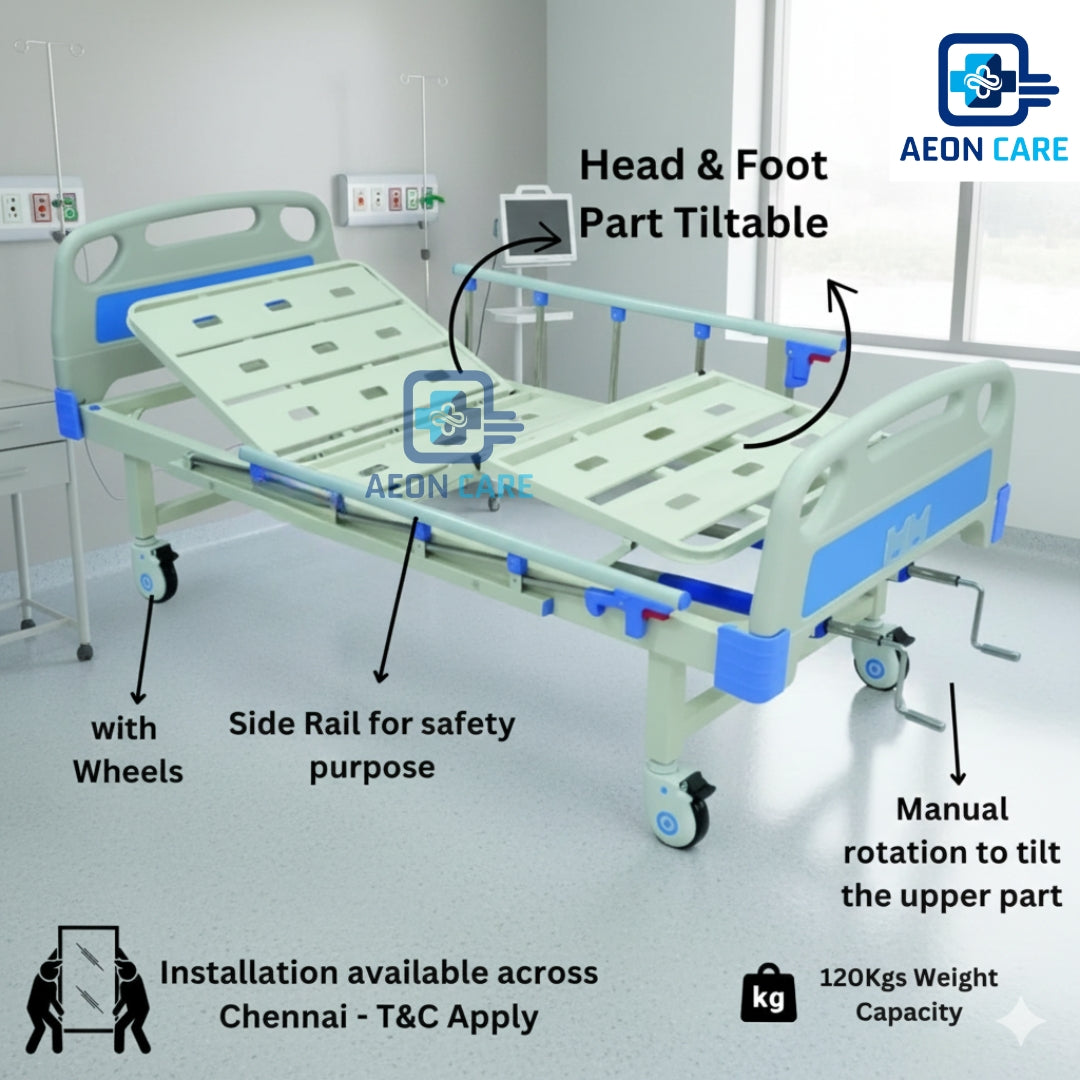
Preventive Infrastructure: Installing grab bars, using high-quality walkers, or utilizing medication organizers can prevent the "crisis costs" associated with falls or incorrect dosages.
-
Targeted Support: Prioritizing quality over quantity in both education and elder care services prevents the wastage of resources on ineffective solutions.
Practical Strategies for Management
Managing the "chaos" of dual caregiving requires shifting from a reactive mindset to a systems-based approach.
1. Collaborative Planning
Involve parents in care decisions early. Many Indian seniors value their independence; respecting this autonomy fosters better cooperation. A simple compromise, such as a weekly pill organizer combined with a scheduled check-in call, can empower an elder while providing peace of mind to the caregiver.
2. Delegating and Outsourcing
Attempting to be "superhuman" is a recipe for burnout. Successful families identify tasks that only they can do (emotional support, major decisions) and outsource the rest. This might mean:
-
Hiring trained domestic help or specialized home healthcare.
-
Encouraging children to take more ownership of their academic schedules.
-
Utilizing professional services for pharmacy deliveries and laboratory tests.
3. Leveraging Technology
While technology cannot replace a physical presence, it significantly reduces logistical friction.
-
Digital Monitoring: WhatsApp groups for health updates can streamline communication among siblings.
-
Virtual Connection: Regular video calls help maintain emotional bonds without the exhaustion of weekly travel.
-
Smart Procurement: Using dedicated platforms to compare and source home healthcare products ensures families get the right tools without the stress of manual hunting.
Redefining "Success" in Caregiving
The most important realization for the Sandwich Generation is that perfection is impossible. There will be days when work suffers, or a tuition class is missed, or a parent feels lonely.
Resilience in this phase of life comes from prioritizing what matters most and accepting "good enough" for the rest. This may mean visiting parents monthly rather than fortnightly to preserve a weekend for a child’s school event, or hiring a driver to manage the pharmacy and grocery runs.
Conclusion
The Sandwich Generation in India is navigating one of the most demanding phases of the modern life cycle. By planning early, investing in the right support systems, and embracing professional help, this period can be managed with dignity rather than just endurance.
For those seeking practical tools to ease this transition, exploring specialized senior care and home healthcare solutions can provide the necessary infrastructure to keep the family unit strong.
For more information on products and services designed to support the senior care landscape, visit aeoncare.in.
How are you currently balancing the logistical demands of elder care with your professional and personal life?