## The Moment Everything Shifts
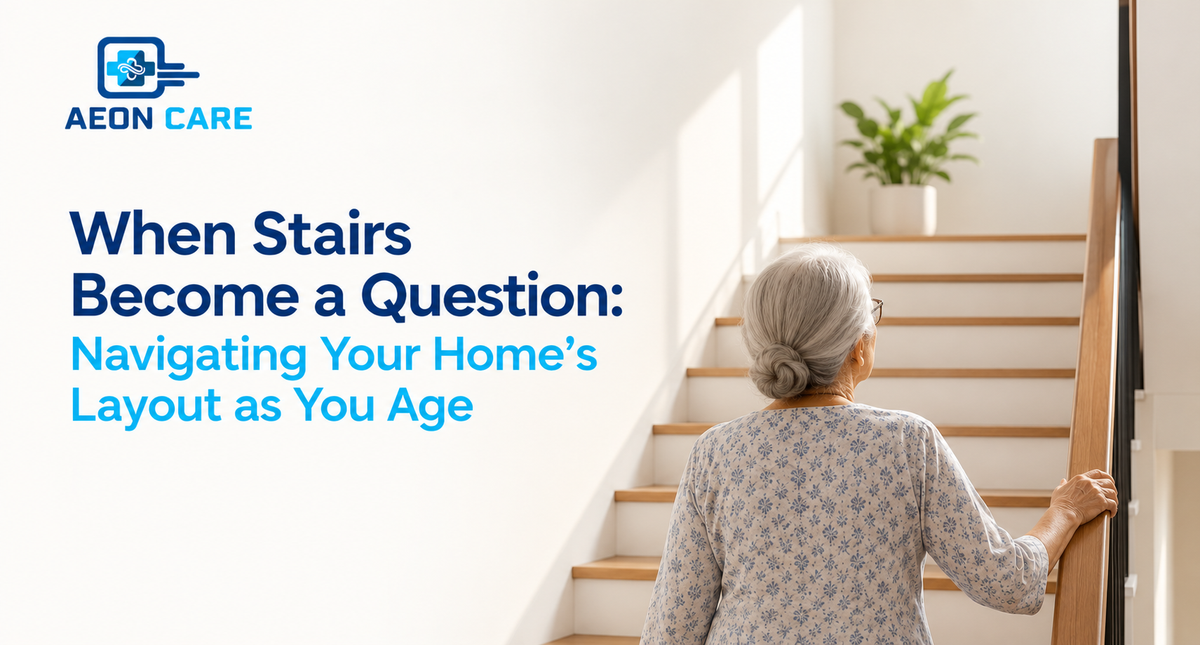
Sixty-two-year-old Rajesh climbs the stairs to his Chennai bedroom one evening as he has for thirty years. The next morning, his knees protest. By the end of the week, he finds himself gripping the banister with both hands, taking one step at a time. His wife notices he's stopped going upstairs for his afternoon nap. No dramatic fall or illness triggered this. Just aging, working quietly in the background. This is the reality many adult children discover when they visit aging parents. The home that felt spacious and navigable suddenly reveals itself as full of hidden obstacles: narrow bathroom doorways, high toilet seats, a kitchen where reaching the top shelf requires a stepladder, hallways without handholds.
## Why the Layout Suddenly Matters
As mobility changes with age, the architecture of home becomes intimate knowledge. Stairs require more balance and strength. Doorways narrow the path. Bathrooms, once simple spaces, become zones where slip risks multiply. The ground floor becomes precious real estate when climbing becomes exhausting. Unlike a fall, which announces itself loudly, these changes creep in. A parent stops mentioning the upstairs guest room. They start using the downstairs toilet more. They sit down to put on shoes. These are the whispers before a larger struggle begins.
## Small Adaptations, Big Impact
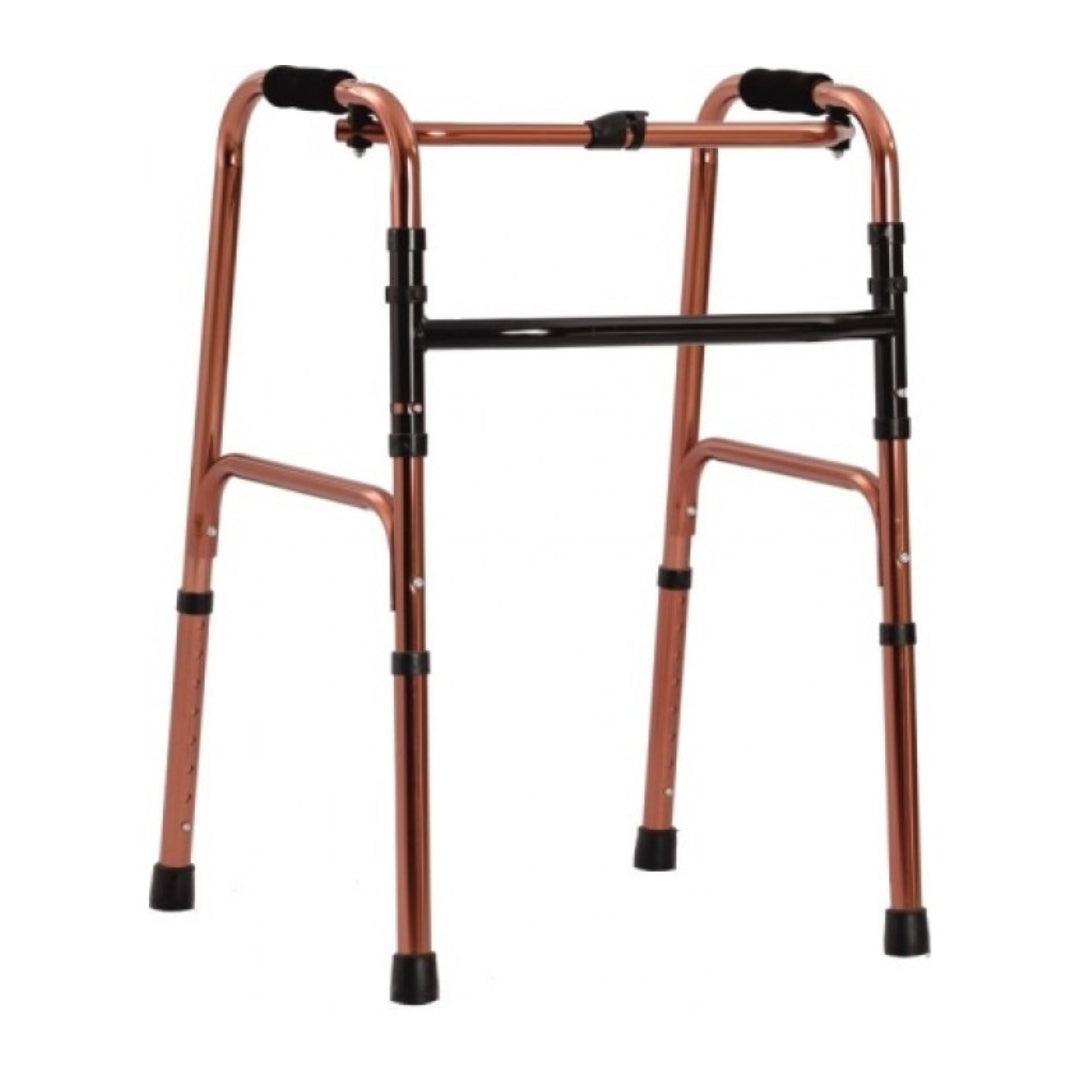
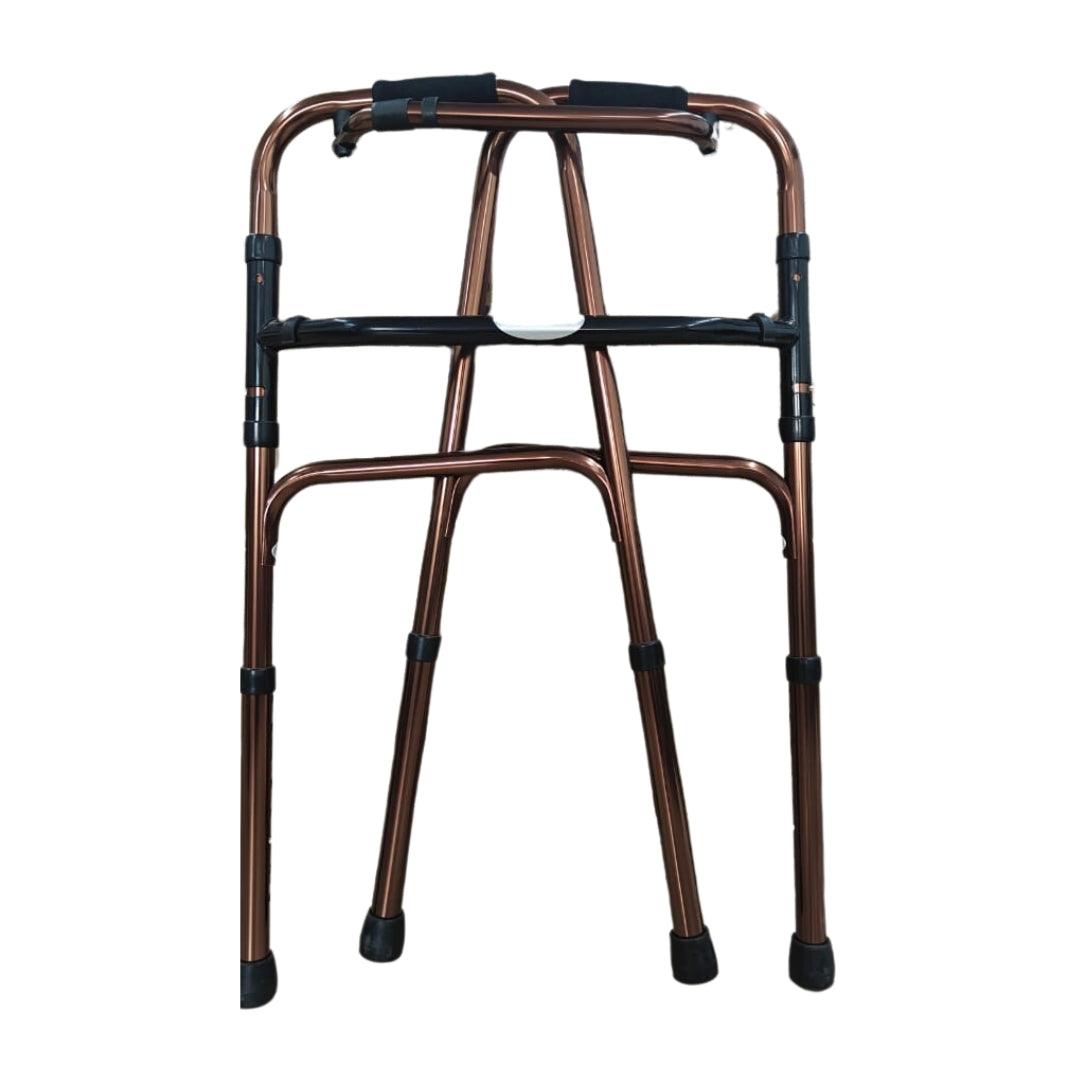
The good news is that aging homes need not be remodeled homes. A [home safety setup](https://aeoncare.in/collections/home-safety-setup) tailored to your parent's needs can prevent accidents and restore confidence. Non-slip mats, grab bars in strategic places, better lighting in stairwells, and raised toilet seats address the most common friction points. Some families redirect daily routines: the main bedroom moves downstairs; the kitchen becomes the hub. Others add mobility aids like walkers that transform how parents navigate the same spaces safely.
## Practical Takeaways
- Visit your parents' home and walk through it as they do, noting which stairs they avoid and which rooms they visit less often.
- Small changes like improved lighting, handholds, and non-slip flooring often solve what feels like a mobility problem.
- Honest conversations now about layout challenges prevent rushed decisions later. Aging at home isn't about fighting the changes. It's about redesigning the spaces around them.
For guidance on making your parent's home safer and more accessible, visit aeoncare.in.