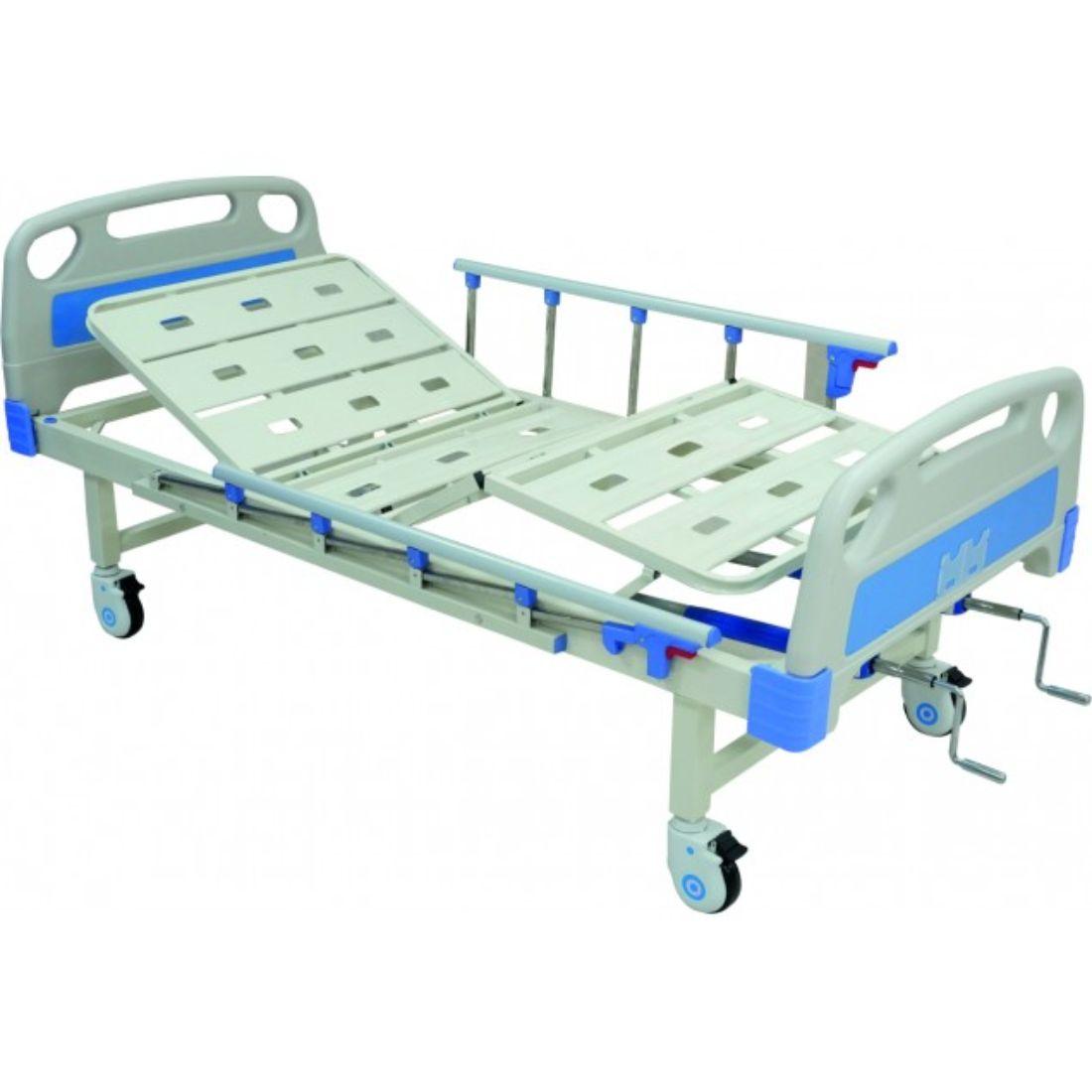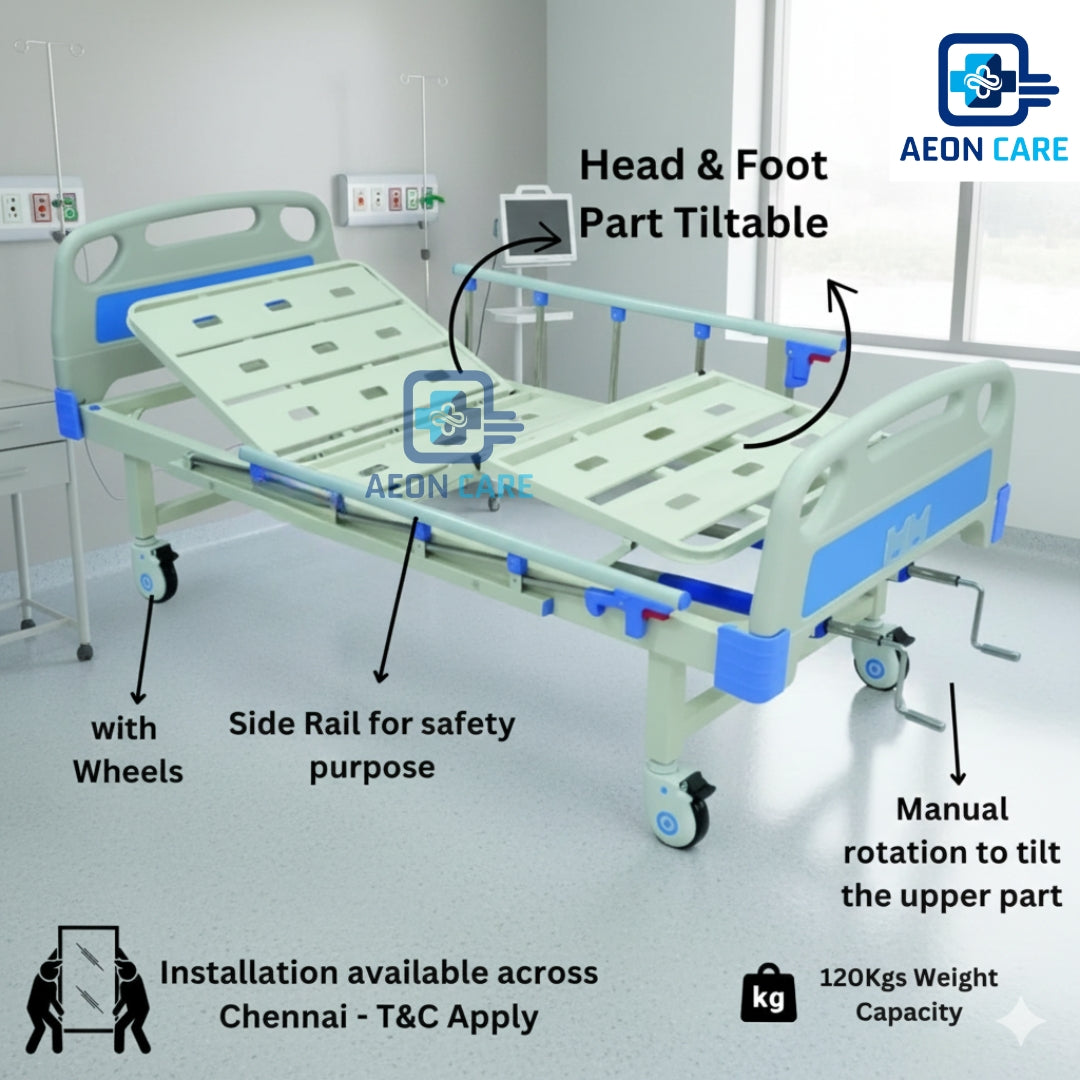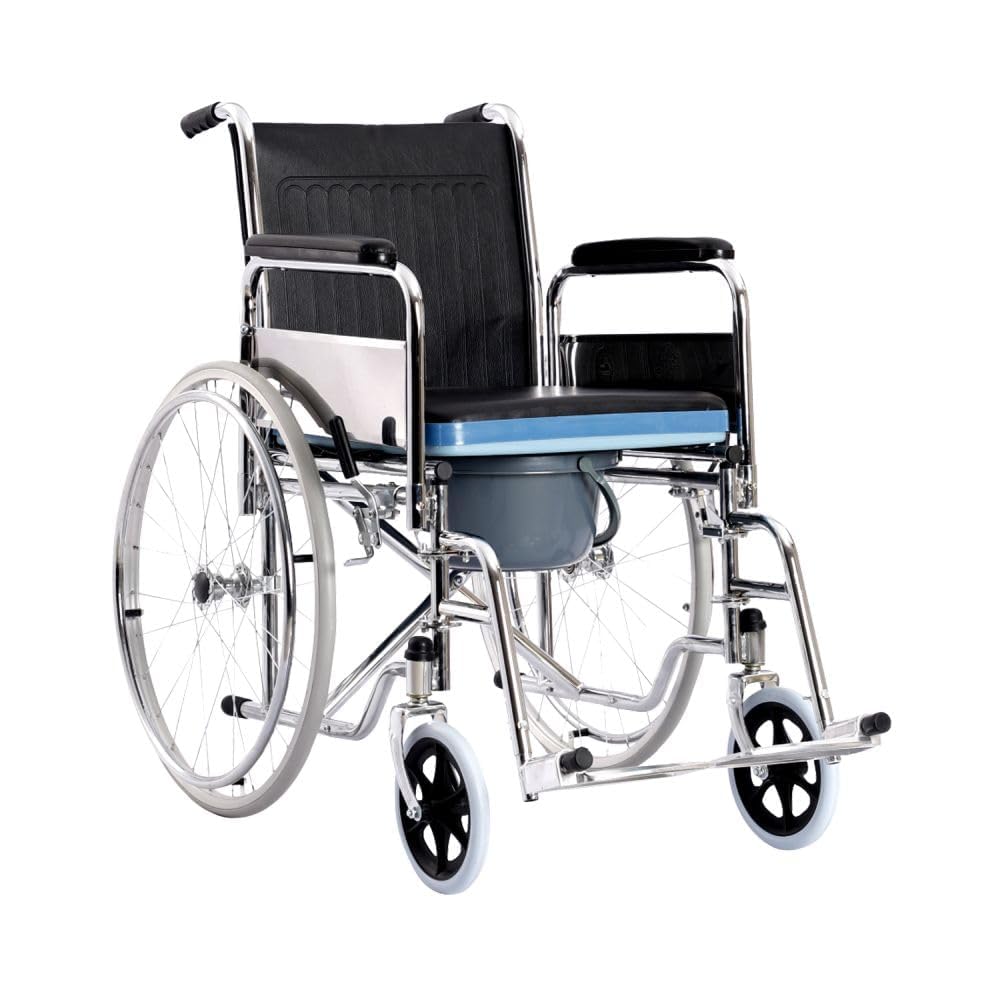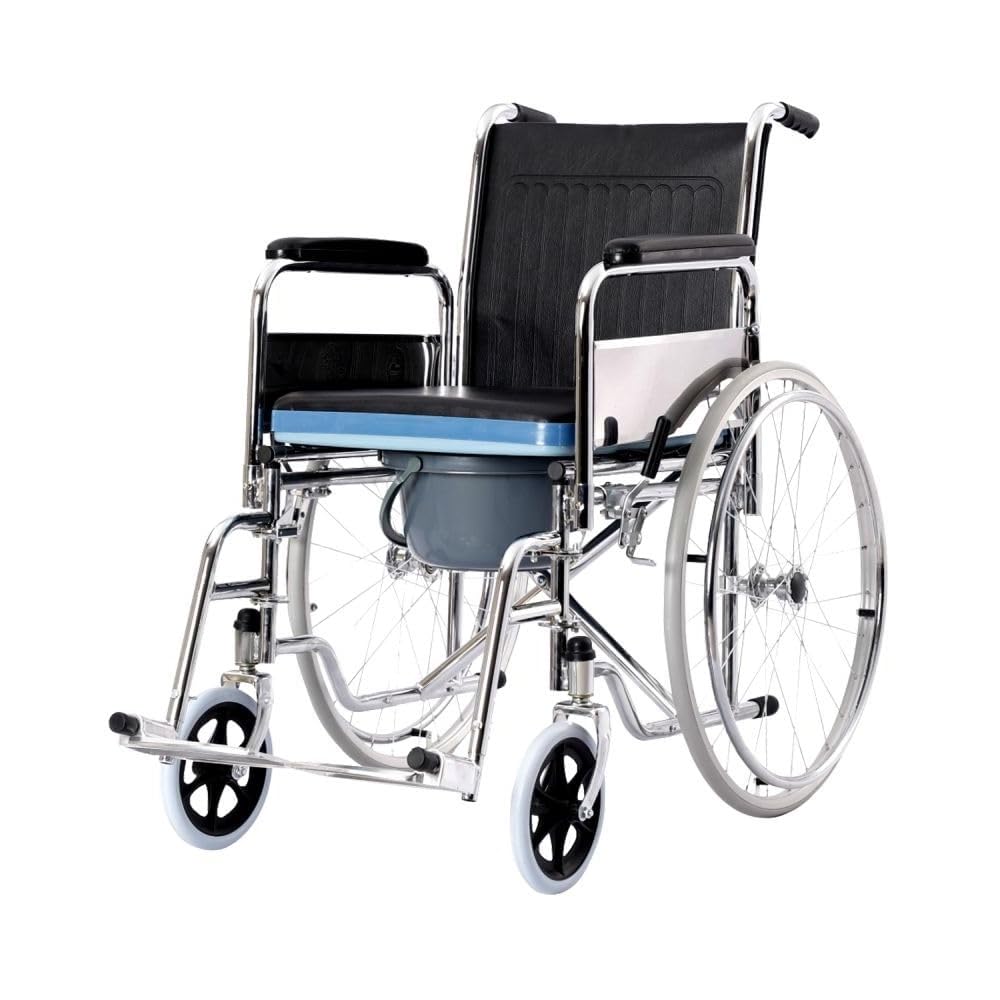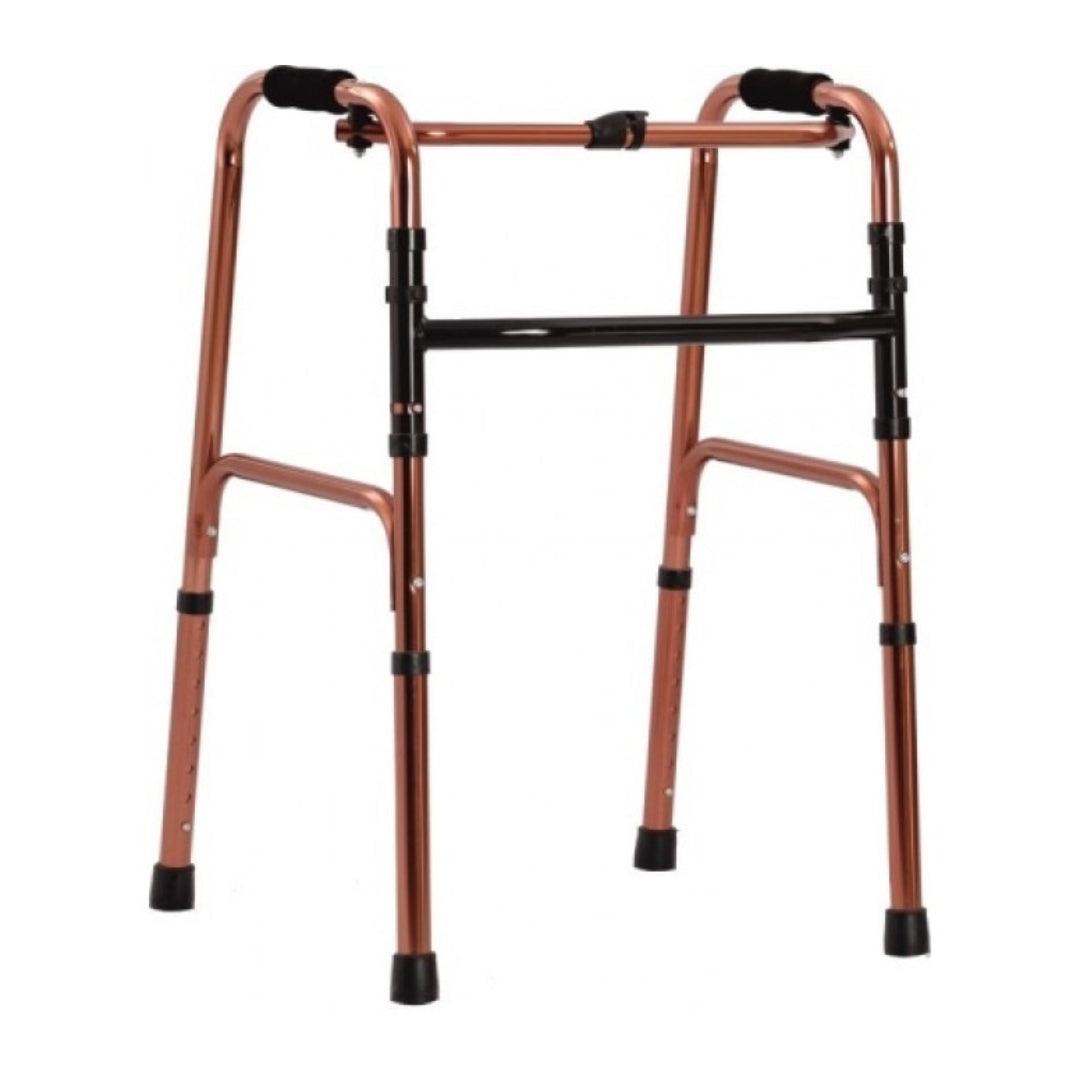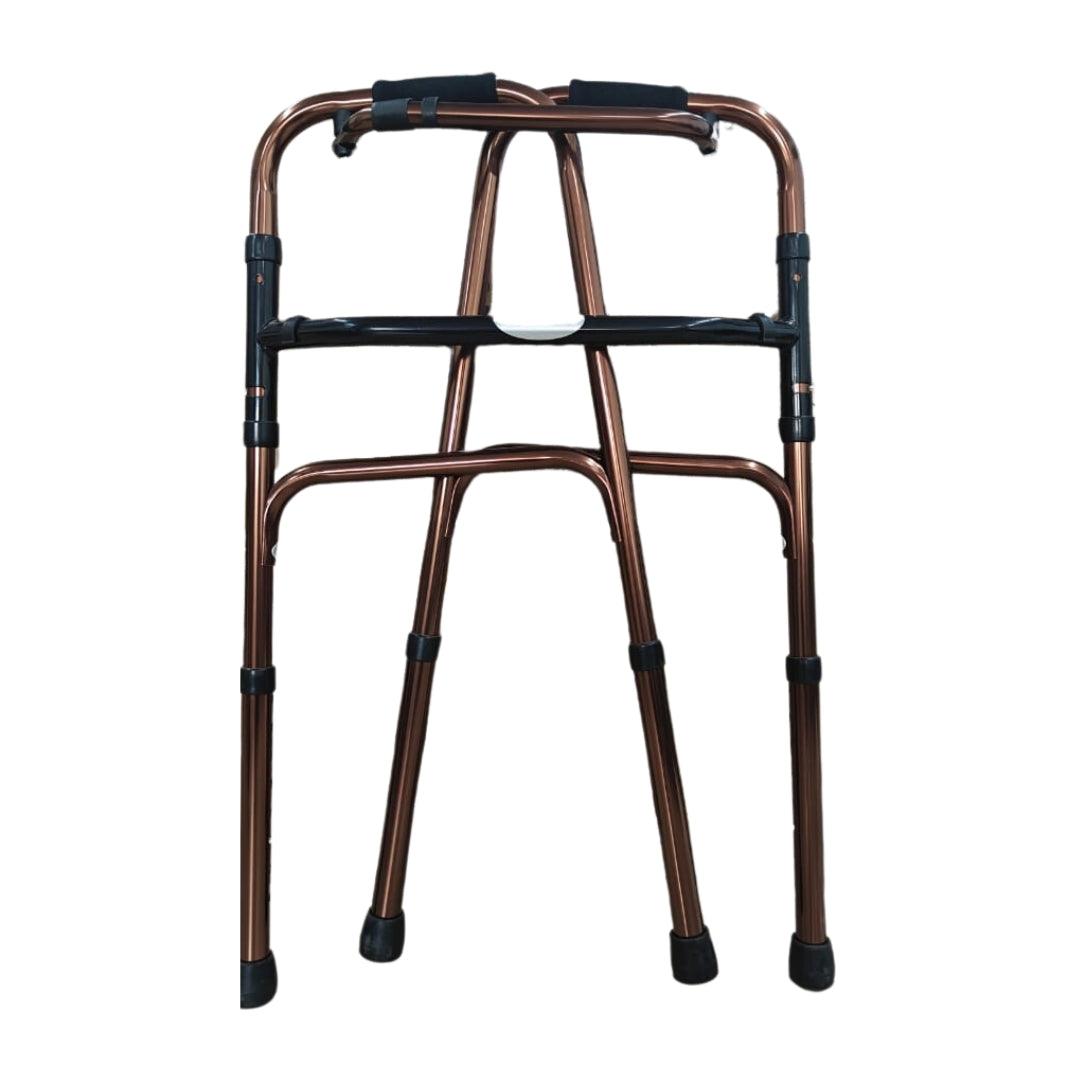
When most families think about senior care technology, they picture hospital beds, wheelchairs, walkers, or commode chairs.
Those matter. But they usually enter the picture only after an accident, illness, or surgery.
Today's elderly care technology makes it possible to shift from reactive care to preventive care. Small, well-designed devices can detect emergencies, monitor health, improve communication, and give families peace of mind — especially when children live in another city or another country.
The challenge isn't finding the technology. It's choosing technology your parent will actually use. A device sitting in a drawer protects no one.
Here are the most important categories of senior care technology every family should consider.
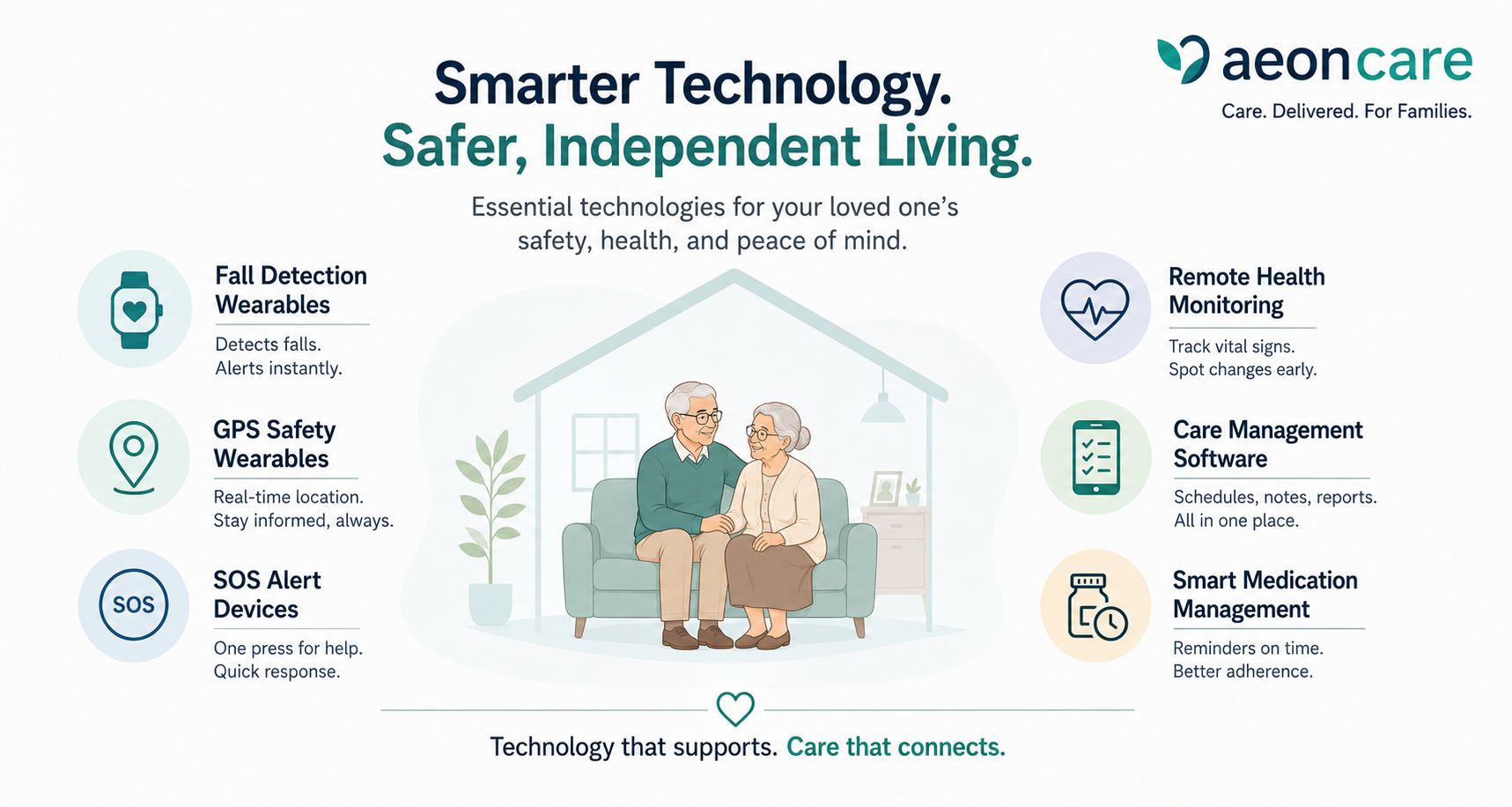
1. Fall Detection Wearables for Seniors

Falls remain one of the leading causes of injury among seniors. Many elderly people don't call for help right after a fall — some don't want to worry their children, others believe they can get up alone, and some simply can't reach a phone.
Fall detection devices solve this. Using motion sensors, these wearables automatically detect serious falls and notify family members or emergency contacts within seconds.
The biggest mistake families make is buying the most advanced device instead of the one their parent is most likely to wear. Comfort beats features. A simple watch or pendant that becomes part of daily life is worth more than an expensive smartwatch that spends most of its time on the charger.
What to look for in a fall detection wearable:
- Comfortable enough for daily, all-day wear
- Long battery life
- Simple, hassle-free charging
- Reliable, low-false-alarm alerts
- Easy setup for family members monitoring remotely
2. GPS Safety Wearables and Trackers for Elderly

Not every emergency happens inside the house. Parents living with mild dementia or memory issues may wander without realizing they're lost — leaving for a morning walk and forgetting the way home, or stepping out for groceries and becoming disoriented.
A GPS tracker for elderly parents adds another layer of protection. Families can set safe zones around the home; if the senior leaves that zone unexpectedly, the family gets an alert immediately.
For families living abroad, this is often the single most reassuring piece of home care technology they invest in. The goal isn't surveillance — it's making sure help arrives quickly when it's needed.
3. SOS Emergency Alert Devices
Sometimes a senior knows they need help; the challenge is reaching someone quickly. An SOS alert device lets the wearer request immediate assistance at the press of a button.
Adoption is everything here too. If the button is uncomfortable, triggers accidentally, or feels embarrassing to wear, it won't be used in a real emergency. The best systems are simple, discreet, and connect to trusted family members or a monitoring service that responds clearly and calmly.
Before relying on any SOS system, test it together as a family. Confidence grows when everyone knows exactly what happens after the button is pressed.
4. Remote Health Monitoring Devices
Blood pressure monitors, pulse oximeters, glucometers, digital thermometers — most households already own them. Very few use them consistently.
Checking blood pressure only when someone feels unwell misses the real value of remote health monitoring. The benefit comes from tracking trends over weeks and months: blood pressure that rises every Monday, blood sugar that drops after dinner, oxygen levels that fluctuate during recovery.
Doctors make better treatment decisions when they see consistent data instead of isolated readings. Technology alone doesn't improve health outcomes — consistency does.
5. Care Management Software for Families and Caregivers

Every family eventually hits the same wall: information lives inside people's heads. One caregiver knows the medication schedule. Another remembers the physiotherapy routine. A daughter keeps the doctor's instructions in WhatsApp. A son stores reports in email. When caregivers change or family members travel, information gets lost.
This is where care management software earns its place. The best platforms aren't loaded with complicated features — they're simple enough that seniors, caregivers, nurses, and family members actually use them, covering:
- Medication reminders
- Doctor's instructions
- Daily notes
- Appointments
- Caregiver handovers
Everything stays in one place. Good technology reduces work; it doesn't create more of it. Simple systems are the ones people keep using.
6. Smart Medication Management
Missed medication remains one of the most common — and most avoidable — causes of health complications in seniors. Simple medication reminder systems notify seniors when it's time to take their medicines, and alert family members if a dose is missed.
Paired with care management software, these reminders build accountability without making seniors feel watched.
Technology Should Support People, Not Replace Them
A common misconception about senior care technology is that it replaces caregivers. It doesn't. Good technology supports them — giving nurses better information, helping doctors make better decisions, and keeping family members informed. Most importantly, it helps seniors stay independent for longer.
The best solutions never feel complicated. They quietly become part of everyday life.
The Most Important Feature Isn't Technology
Families often compare battery life, sensors, GPS accuracy, mobile apps, and AI features. Those matter — but the single most important question is much simpler: will your parent actually use it?
A basic device worn every day is worth more than an advanced device that stays in a cupboard. The same is true for care software — the simplest app everyone uses consistently will always outperform a feature-rich platform that feels complicated.
In senior care, success isn't measured by the technology you buy. It's measured by the technology that quietly becomes part of everyday life.
Final Thoughts
India's senior population is growing rapidly. Families are getting smaller, children are moving to different cities and countries, and professional caregiving is becoming more common. Elderly care technology will play an increasingly important role in helping seniors live safely and independently.
The goal isn't to fill homes with gadgets. It's to thoughtfully choose technology that improves safety, preserves dignity, reduces stress for caregivers, and gives families peace of mind.
Because the best senior care technology doesn't replace human care — it makes human care stronger.
Which technologies have made the biggest difference in caring for your parents or loved ones? Have you found any devices or apps that genuinely became part of everyday life? Share your experience in the comments.
Frequently Asked Questions
What is the best fall detection device for elderly parents?
The best fall detection wearable is the one your parent will wear every day — comfort, battery life, and ease of use matter more than advanced features. Look for automatic fall detection, long battery life, and simple family alerts.
How does a GPS tracker help with dementia or memory issues in seniors?
A GPS tracker lets families set a safe zone around the home and receive an instant alert if the senior wanders outside it, so help can reach them quickly if they become disoriented.
Is remote health monitoring useful if my parent feels fine?
Yes. The real value comes from tracking trends over time — like blood pressure or blood sugar patterns — which helps doctors catch issues early, not just react to symptoms.
Do I need care management software if I already have a caregiver?
Yes, especially when multiple people (family, nurses, caregivers) are involved. It centralizes medication schedules, doctor's instructions, and daily notes so nothing gets lost during handovers or travel.
#SeniorCare #AgeTech #DigitalHealth #RemotePatientMonitoring #FallDetection #GPSWearables #HomeHealthcare #CareManagement #HealthyAgeing #ElderCare #CaregiverSupport #HealthTech #India