For years, senior care has been reactive. We usually wait for a fall or a medical emergency before we take action.
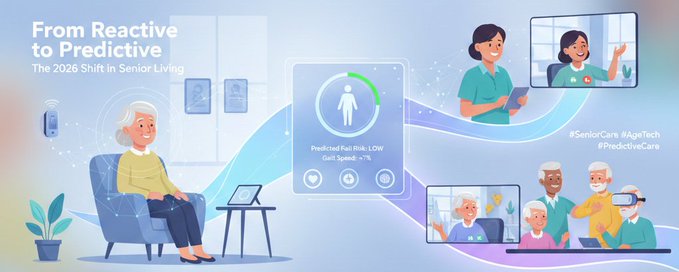
In 2026, we are moving toward Predictive Independence. Instead of waiting for a crisis, we are using technology to stay ahead of it. Here are the three pillars changing the game:
1. Invisible Help (Ambient Intelligence)
Seniors are tired of wearing bulky emergency buttons. Now, smart home sensors learn a person’s normal routine.
-
The Benefit: The system notices if someone is walking slower or sleeping poorly, predicting a fall risk two weeks before it actually happens.
2. Hospital-Level Care at Home
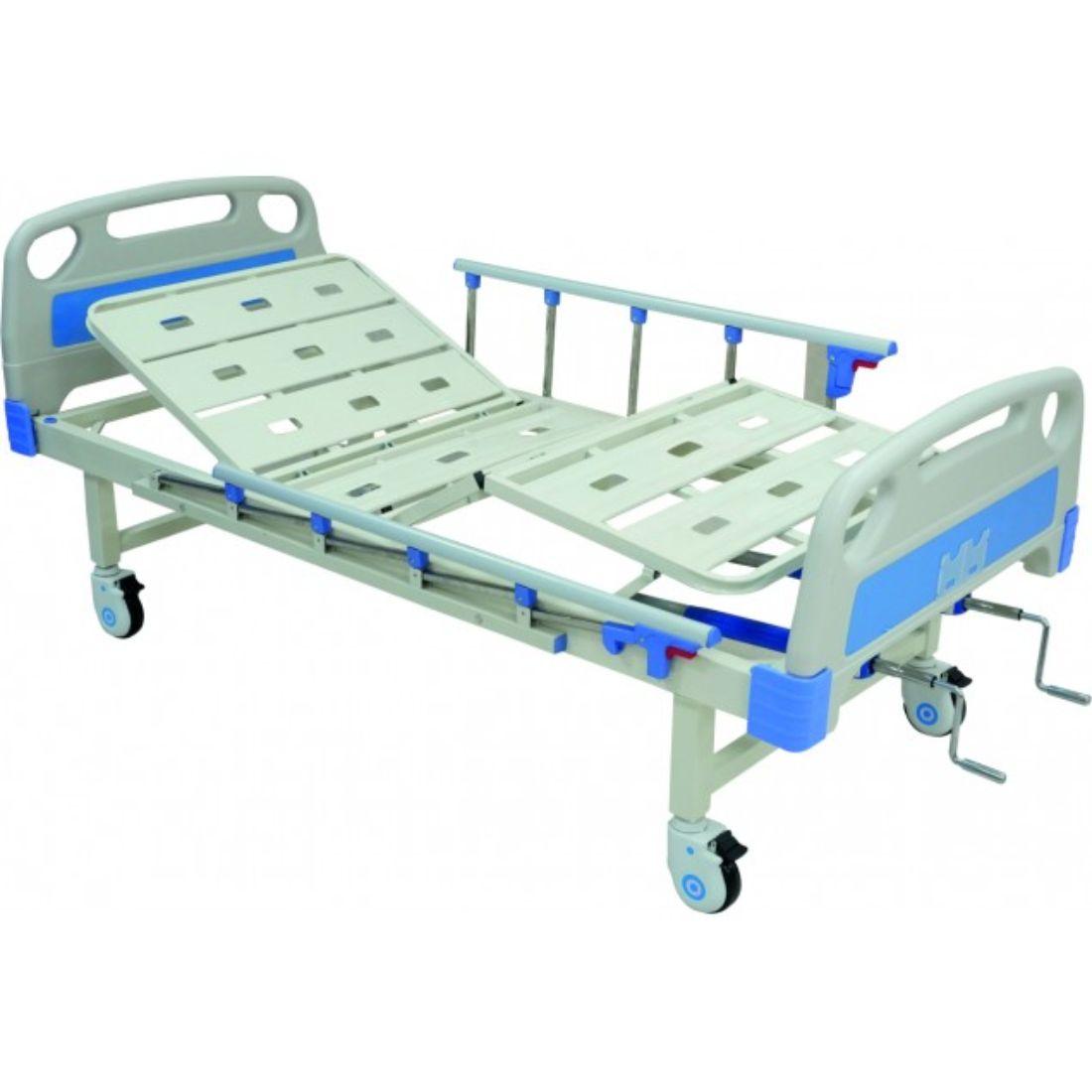
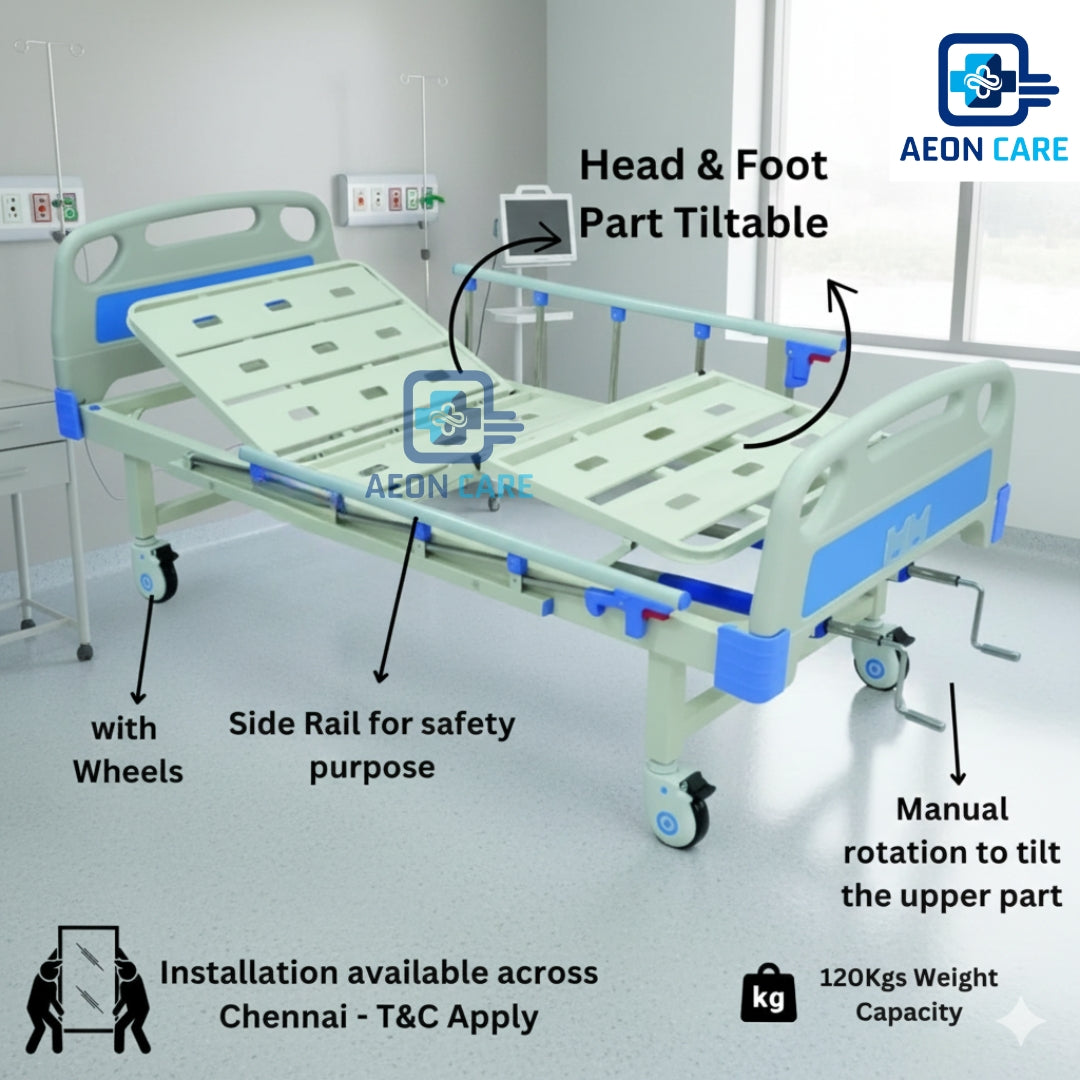
You don't need a clinic for advanced medical care anymore. With "Tele-Geriatrics" and mobile nurses, things like IV therapy and recovery after surgery happen right in a senior's living room. People heal better when they are in their own space.
3. Support for "Solo Agers"
Many seniors live alone without family nearby. Innovation for them isn't just about safety; it’s about connection. New tools for brain health and virtual social groups are helping seniors stay sharp and connected, even if they live alone.
The Bottom Line: Technology shouldn't replace people; it should give caregivers more time to actually sit down, listen, and care.
My Take on the Biggest Hurdle
While tech is moving fast, I believe the biggest hurdle is the lack of an integrated service ecosystem. We have amazing "gadgets," but they often don't talk to each other. A smart sensor (Tech) is useless if there isn't a local nurse (Service) ready to respond to the data it sends. Until the technology and the human services are synced into one seamless "safety net," aging in place will remain a fragmented experience for many.