## The Daily Challenge Most Caregivers Face
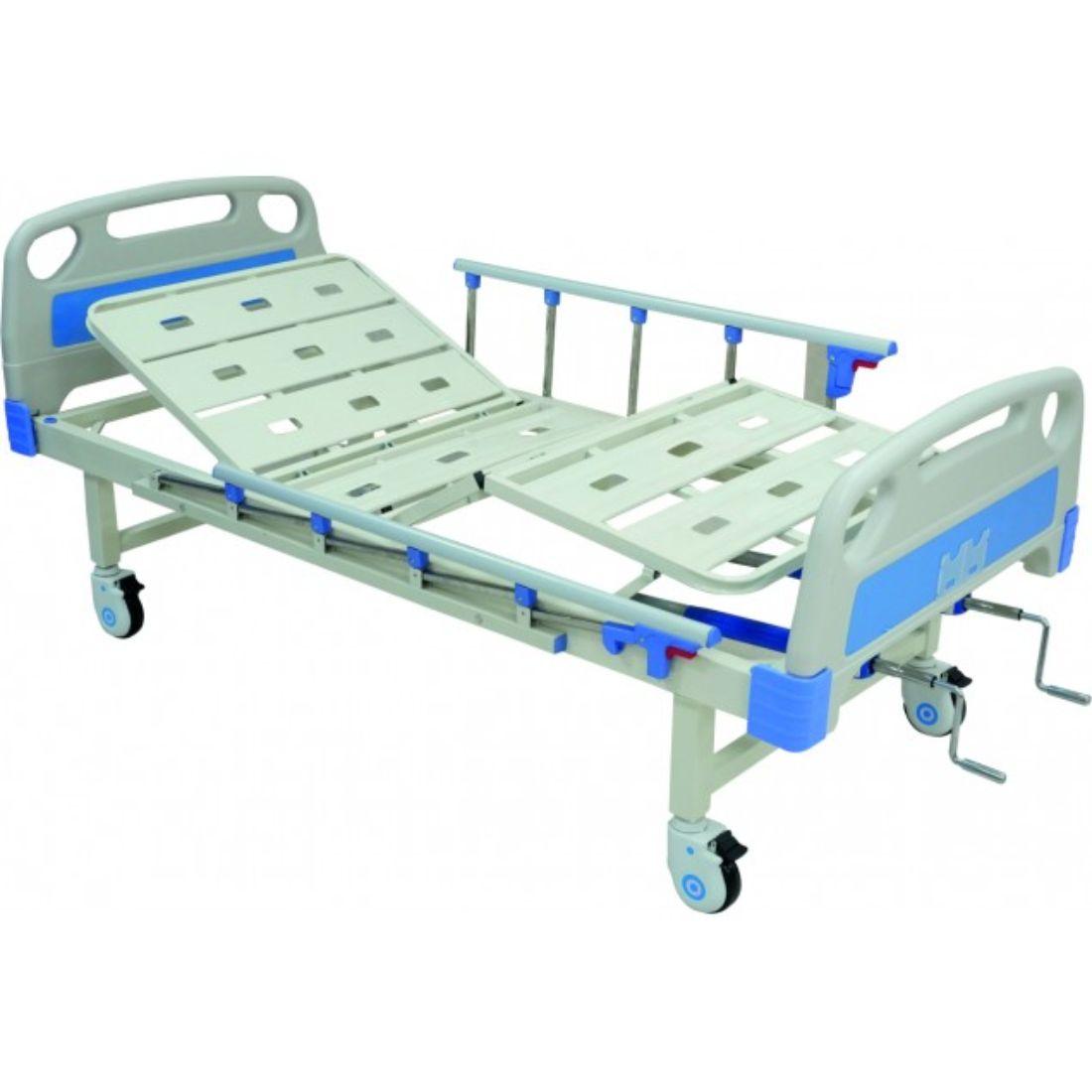
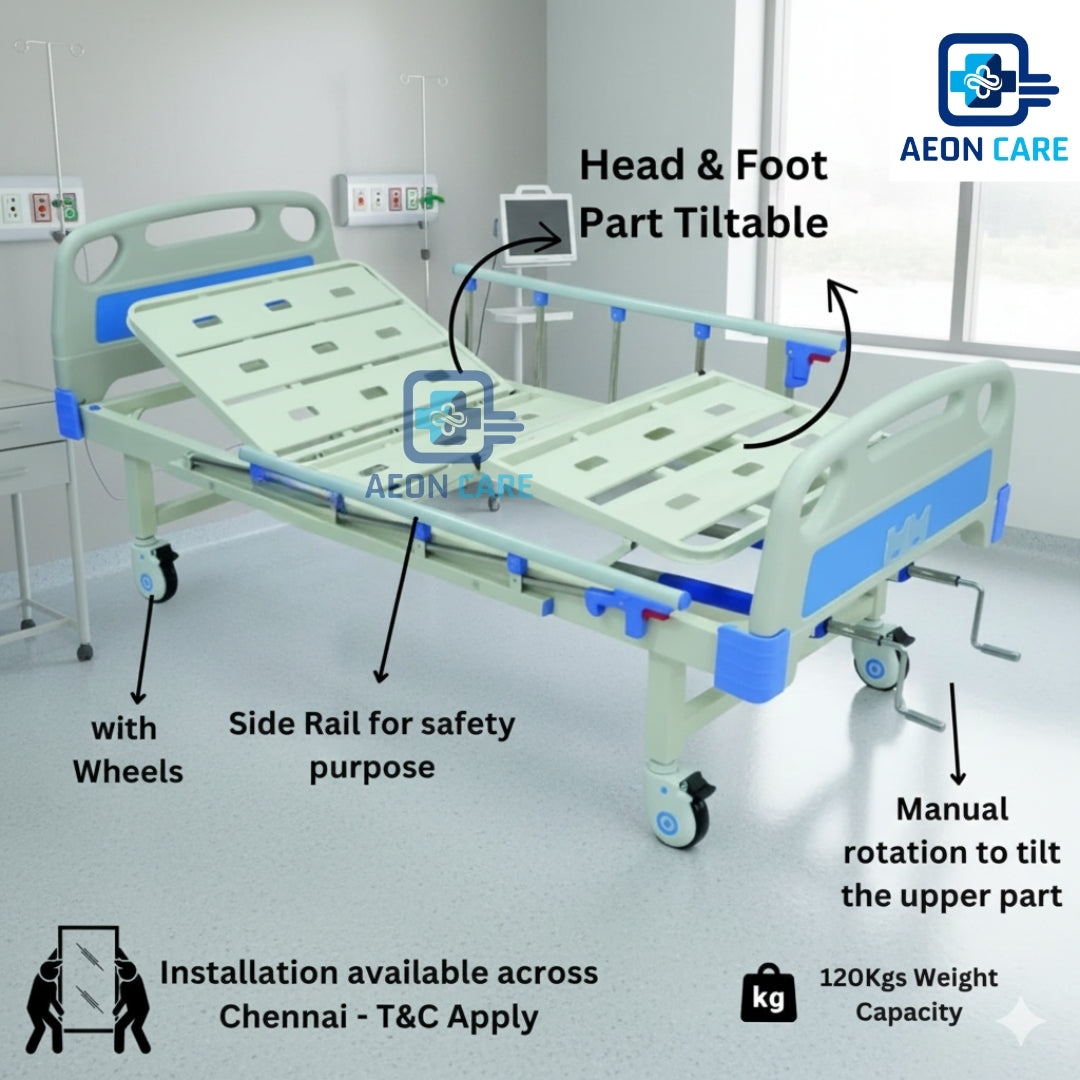
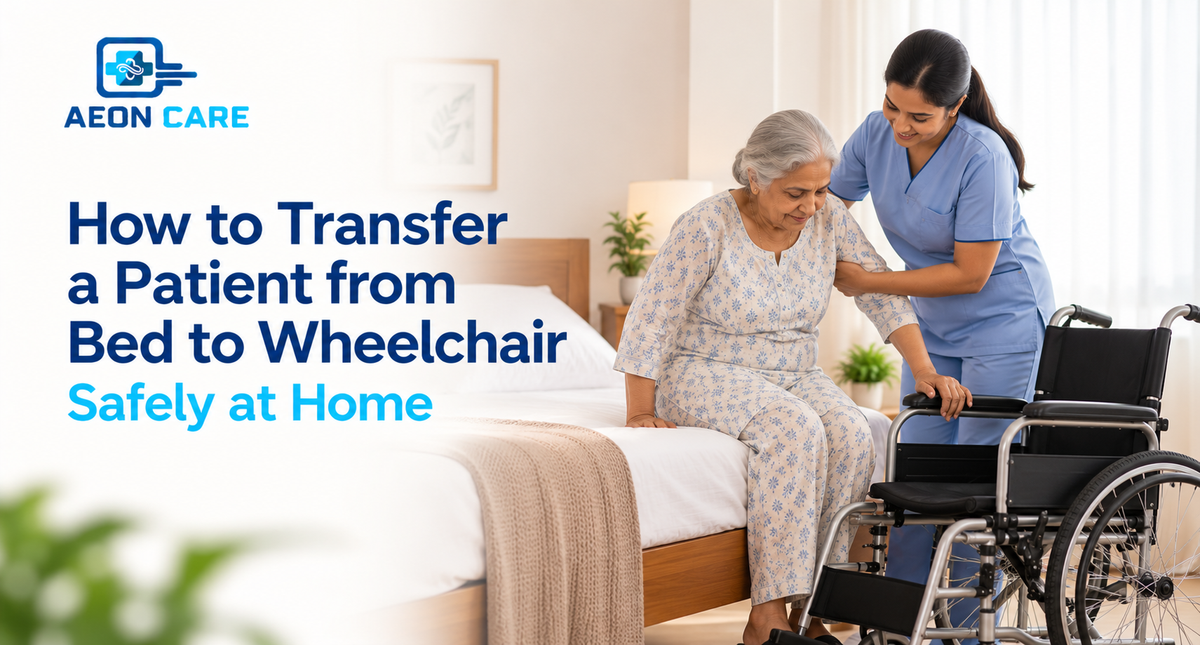
Transferring a patient between bed and wheelchair is one of the most physically demanding tasks a home caregiver performs. Whether caring for a parent recovering from surgery, managing mobility loss from arthritis, or supporting someone with neurological conditions, knowing how to transfer a patient from bed to wheelchair safely can prevent injury to both caregiver and patient.
## The Three-Step Manual Transfer Technique
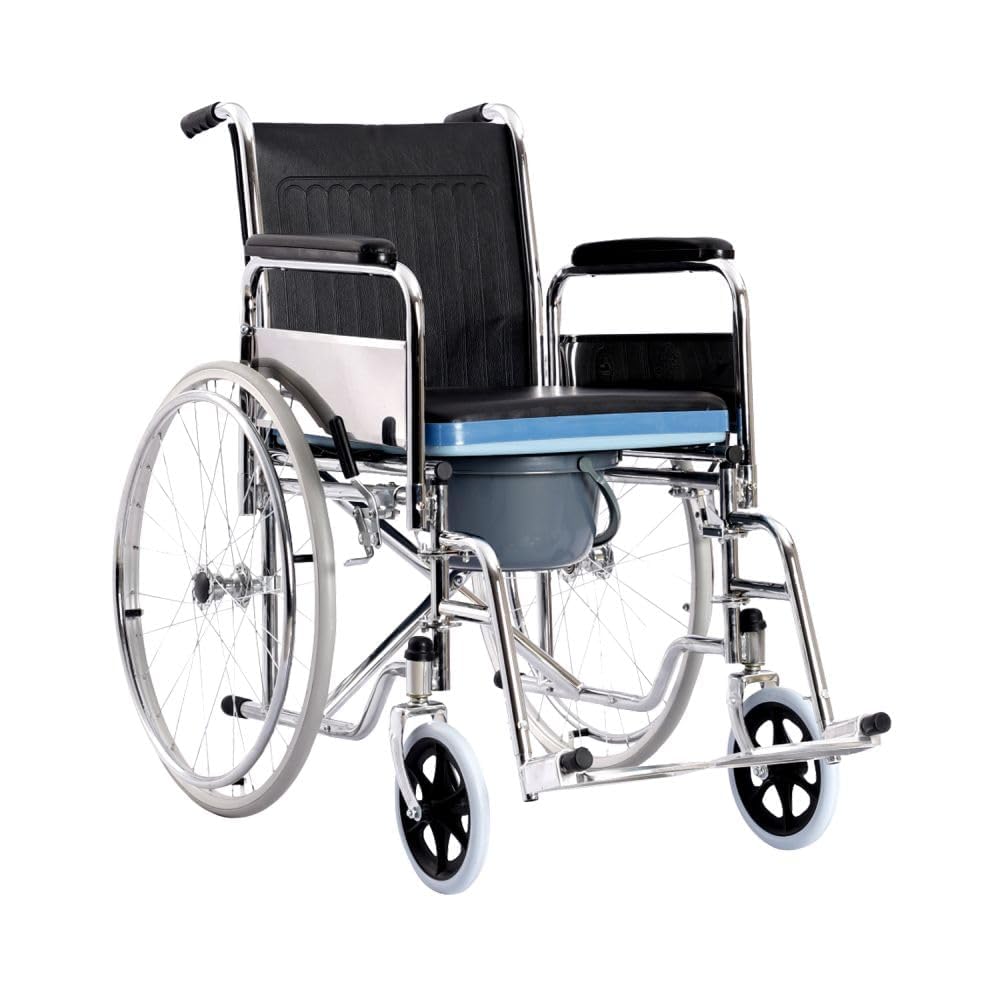
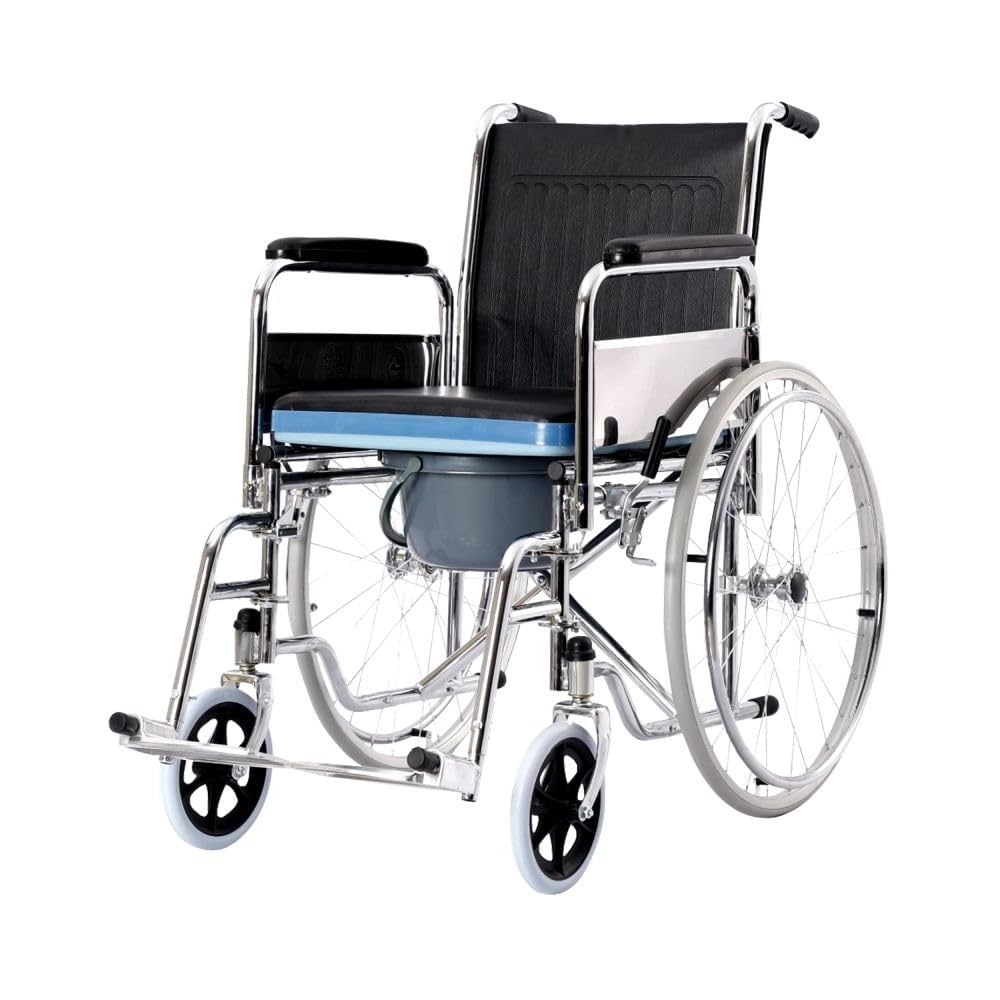
For patients with some upper body strength and mobility, a manual transfer follows this sequence. First, position the wheelchair at a 45-degree angle to the bed, lock both wheels, and ensure the armrest nearest the bed is removable. Second, help the patient sit upright at the bed's edge, feet flat on the floor, with your hands supporting their waist or using a transfer belt. Third, ask them to lean forward slightly and stand using their leg strength while you provide steady support, then pivot and lower them gently into the wheelchair.
This works well initially, but repeated daily transfers take a physical toll on caregivers' backs and shoulders.
## When a Patient Lift or Hoyer Becomes Essential
If a patient cannot bear weight, has limited upper body control, or requires more than two transfers daily, a patient lift (hoyer) becomes medically and practically necessary. These mechanical lifts use a sling system and hydraulic or electric mechanism to reduce caregiver strain and lower fall risk significantly. Many Indian families resist this step, viewing it as marking decline. In reality, it enables safer, more dignified care over the long term.
## Why Reclining Wheelchair Commodes Reduce Transfer Burden
When frequent transfers become unsustainable, a reclining wheelchair commode changes the care equation. These hybrid devices allow patients to rest in a reclined position without returning to bed, reducing unnecessary transfers while maintaining dignity and comfort. This is particularly valuable in smaller Indian homes where space for multiple devices is limited.
## Practical Takeaways for Home Caregivers
- Start with proper technique and body mechanics to prevent your own injury.
- Recognize early signs that mechanical assistance is needed, not weakness on your part.
Explore [mobility aids] including patient lifts and reclining commodes as your parent's needs evolve. Finding the right equipment makes caregiving sustainable. Browse aeoncare.in's [mobility aids collection](https://aeoncare.in/collections/other-mobility-aid) to discover options suited to your home setup and parent's mobility level.