
Before a parent or family member comes home from hospital, four things are worth arranging in advance: the right bed and mobility equipment, a quick fall-risk check around the house, medication and follow-up appointments organized in one place, and a plan for who checks in during the first two weeks, when the risk of a setback is highest. Talk to your doctor or the hospital's discharge team about your specific situation; this checklist covers the practical setup, not medical advice.
Talk to the Hospital Discharge Team First
Before you buy or rent anything, ask the discharge team three things: how much the patient can move on their own, whether they'll need a hospital bed or a regular bed is enough, and how long the recovery period is expected to run. Their answers shape everything else on this list.
Equipment to Arrange at Home
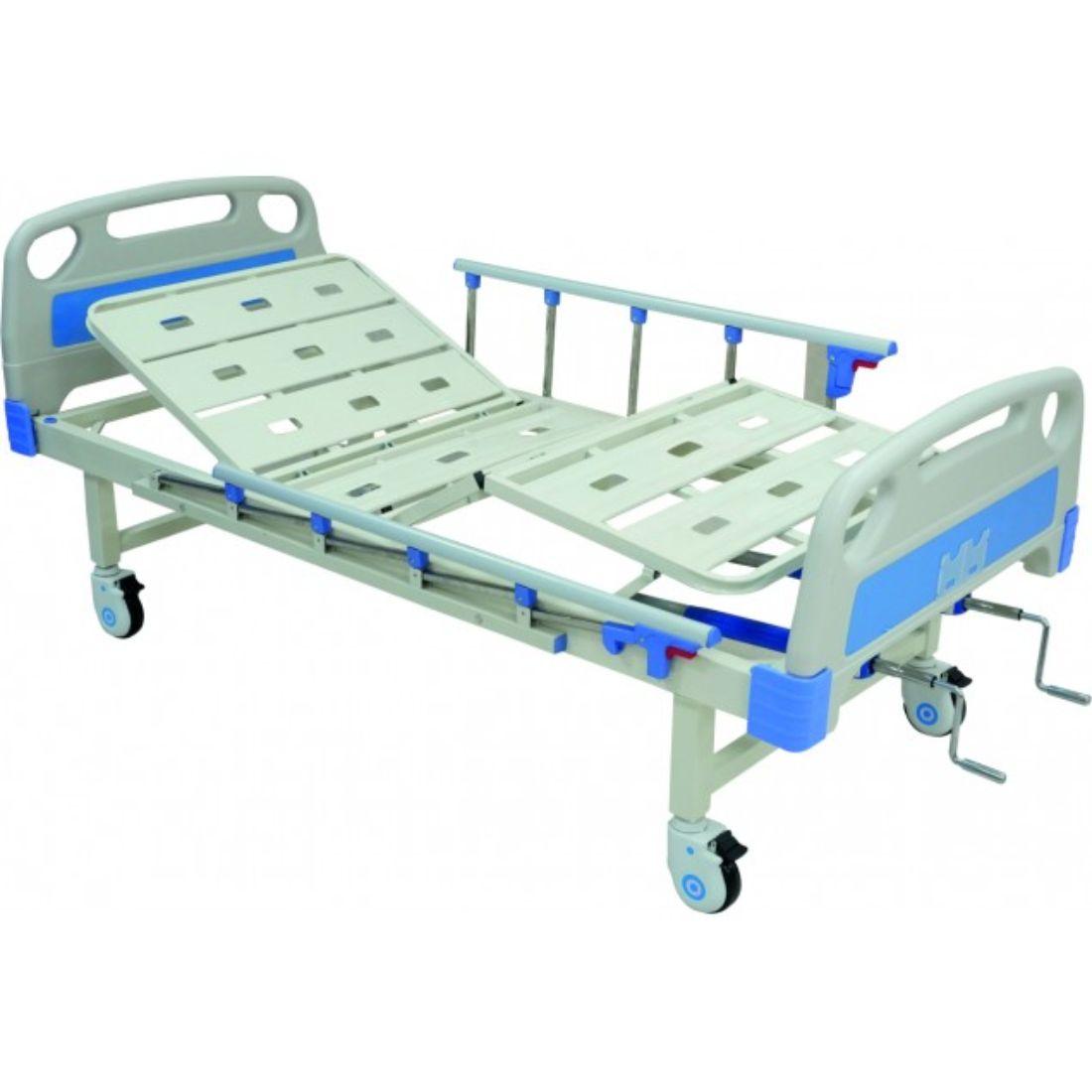
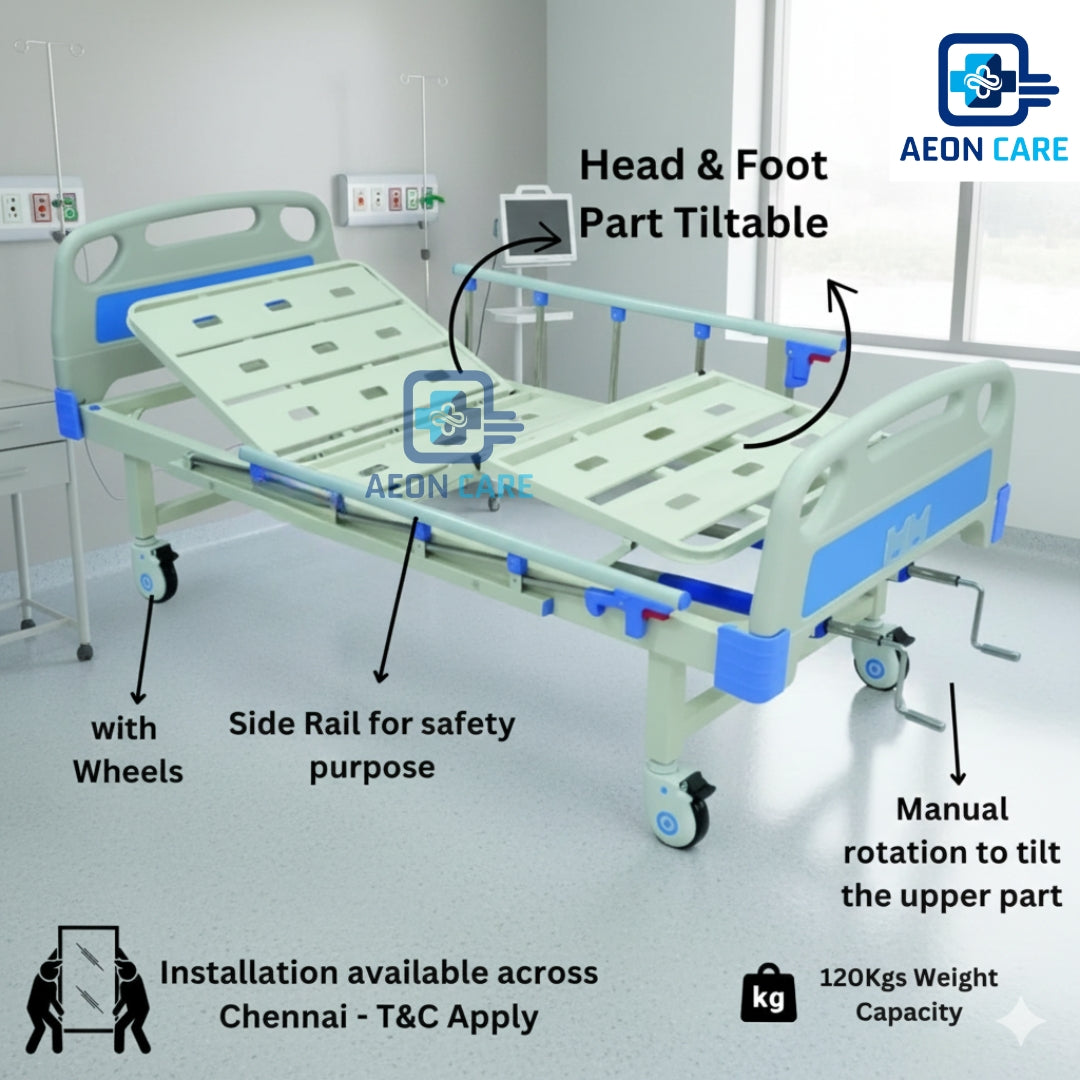
- ☐ A hospital bed or fowler cot if the patient needs to adjust position often or has limited mobility — electric models are easier for one caregiver to operate alone
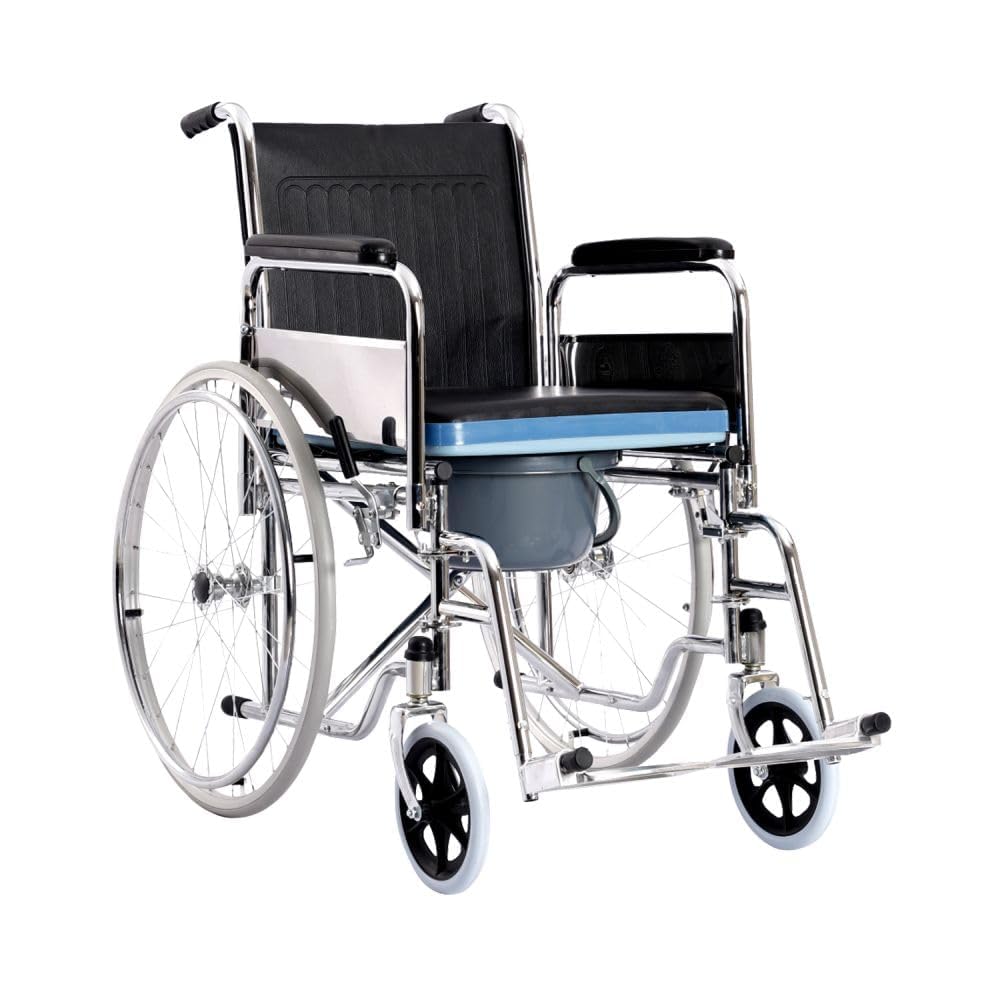
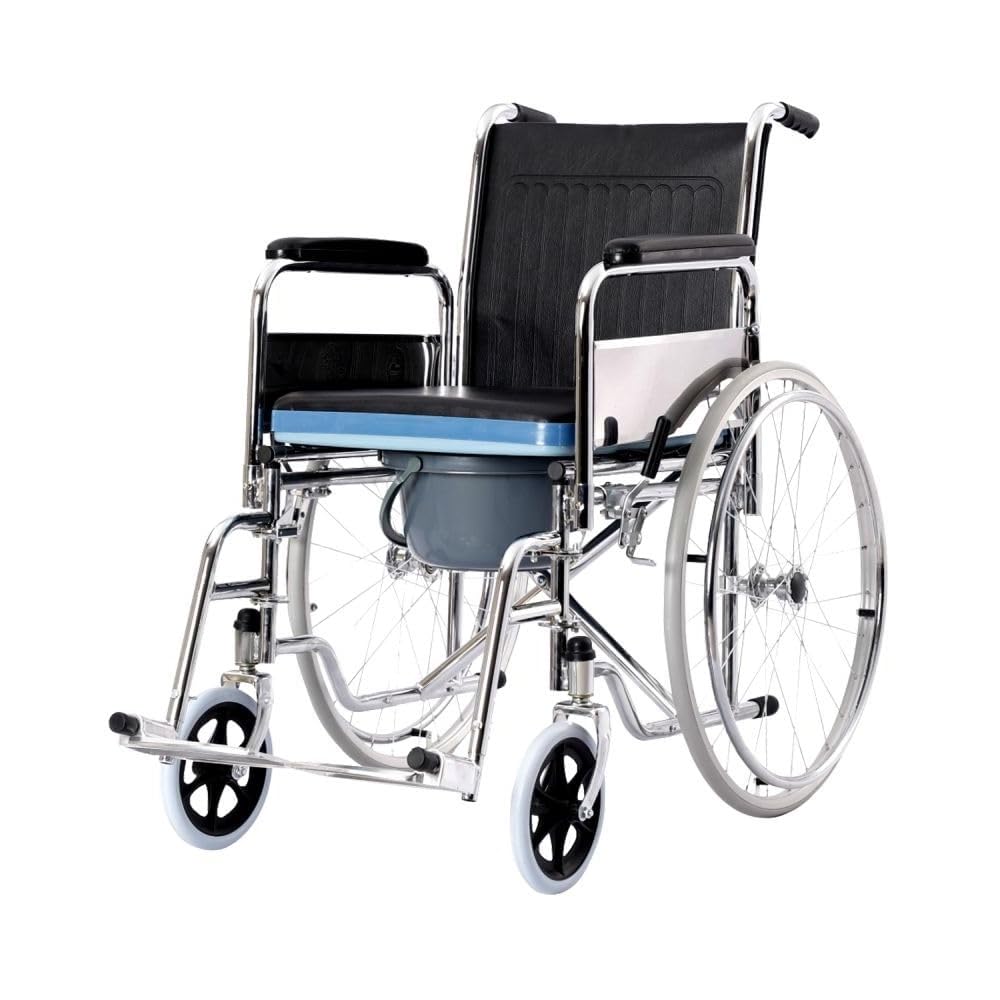
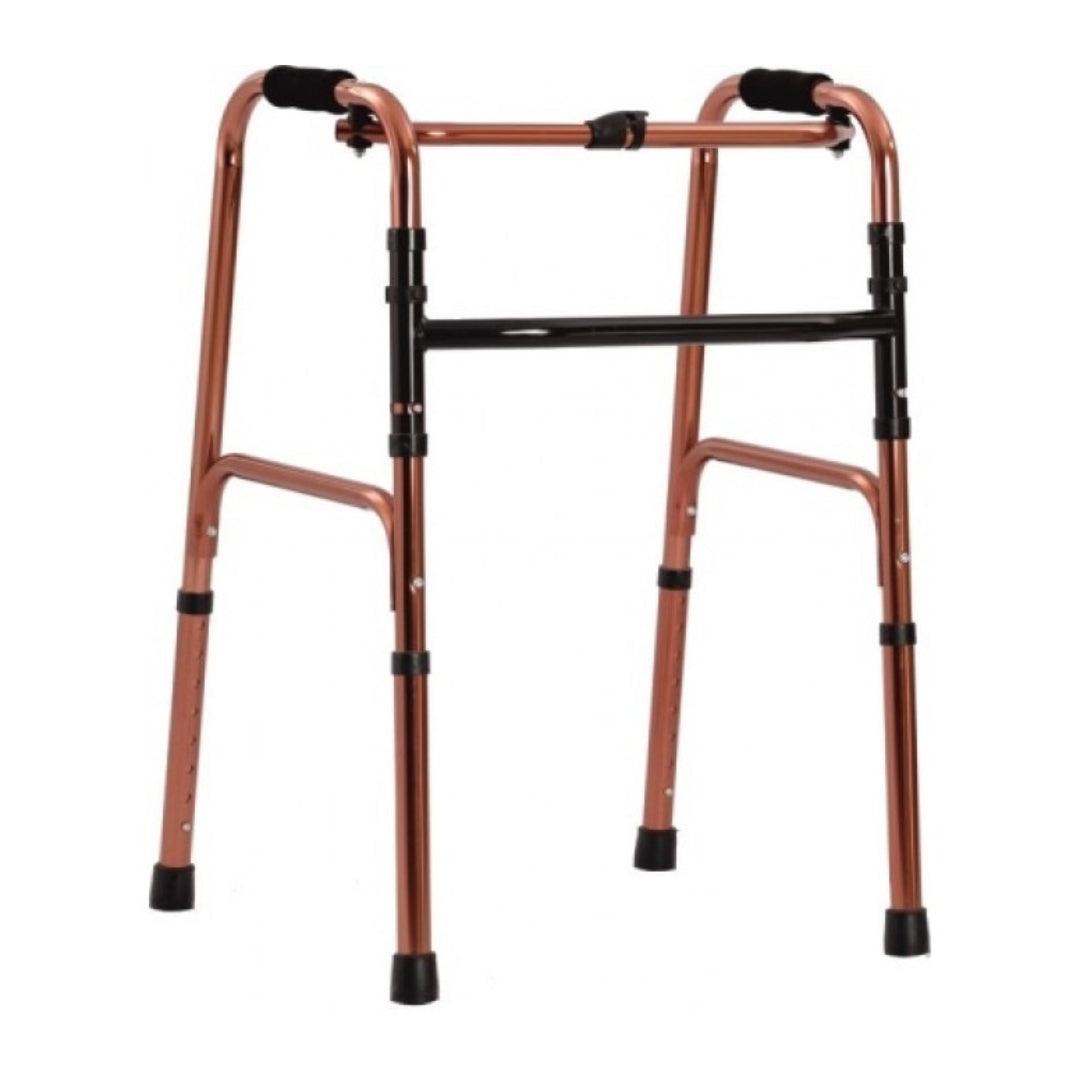
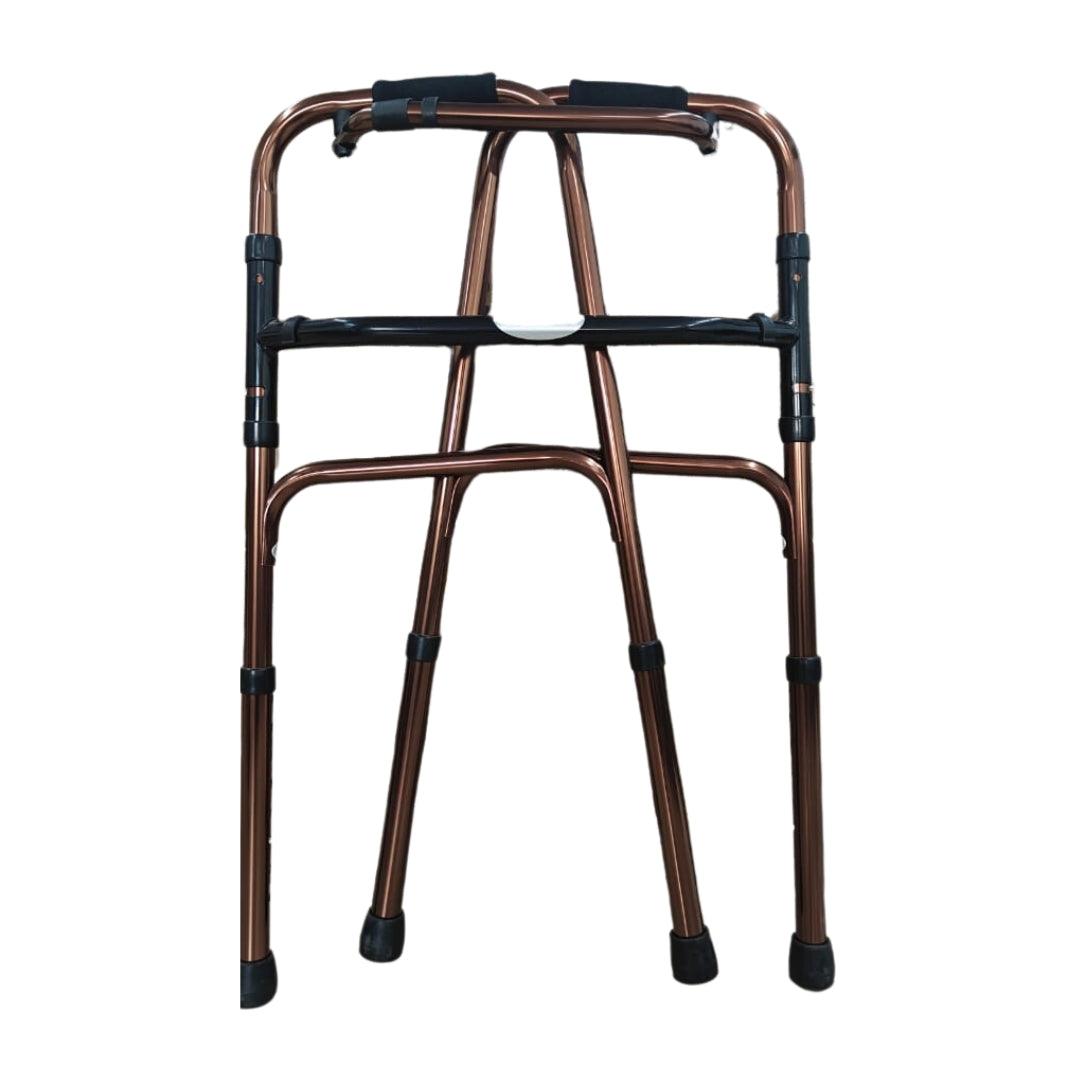
- ☐ A wheelchair or walker for getting around the house or to follow-up visits
- ☐ A mattress or bed accessory suited for someone spending long hours in bed, to prevent pressure sores
- ☐ Basic monitoring devices if advised by the doctor, such as a BP monitor or a pulse oximeter
A Fall-Risk Check Before They Arrive
Recovery is exactly when a fall is most likely, and most likely to set the whole recovery back. Do a quick walk-through of the bathroom, bedroom, and hallways before the patient comes home. Our fall prevention checklist covers this room by room.
Renting vs Buying for a Temporary Recovery
If the recovery period is weeks rather than permanent, renting equipment is usually the more practical choice; it avoids the upfront cost and the question of what to do with a hospital bed once it's no longer needed. AeonCare's equipment rental service covers hospital beds, wheelchairs, and oxygen concentrators with same-day delivery in Chennai.
Who Checks In During the First Two Weeks
Decide this before discharge, not after. It might be a family member, a caregiver, or a combination, but someone needs to be responsible for watching for warning signs, keeping track of medication timing, and knowing when to call the doctor rather than wait it out.
Written by Hari, Founder, AeonCare.