Every year, thousands of Indian seniors experience falls at home - many of them preventable. Yet fall prevention remains one of the least discussed aspects of senior care, often overshadowed by conversations about nutrition, medication, and mobility aids. The reality is sobering: a single fall can trigger a cascade of complications, from fractures to loss of independence, fundamentally changing a family's life.
**Why Falls Matter More Than Most Realise**
Falls among seniors aren't simply accidents-they're warning signs of underlying vulnerabilities. Poor balance, weak muscles, vision changes, and medication side effects all contribute to fall risk. In India's multi-generational households, where elderly parents often move between rooms, navigate staircases, or live in older homes with uneven flooring, the risks multiply.
The consequences extend beyond physical injury. A fall often marks the beginning of a decline in confidence and independence. Many seniors who experience falls develop a fear of falling again, leading them to restrict movement and activity, which paradoxically weakens them further.
**A Common Scenario**
Consider the example of Mrs. Sharma, a 72-year-old living in Bangalore with her son's family. One morning, she gets out of bed in the dark to use the bathroom. Her feet haven't adjusted to standing yet, and she loses her balance on the polished floor. A fall follows-thankfully, no fracture, but a sprained wrist and deep bruising. For the next three months, she becomes hesitant to move independently, her daughter-in-law must help with basic tasks, and her son worries about leaving her alone during work hours. This scenario repeats in thousands of Indian homes daily.
**Practical Steps to Prevent Falls at Home**
The good news: most falls are preventable with thoughtful modifications.
**Remove trip hazards.** Loose rugs, electrical cords, and cluttered pathways are common culprits. In Indian homes, ensure that the area around prayer rooms, kitchens, and bedrooms is clear of obstacles. If using traditional low seating, consider adding cushions to raise the height slightly.
**Improve lighting.** Hallways, bathrooms, and bedside areas should be well-lit. Nightlights are inexpensive and invaluable for nighttime bathroom trips-a common time for falls among seniors.
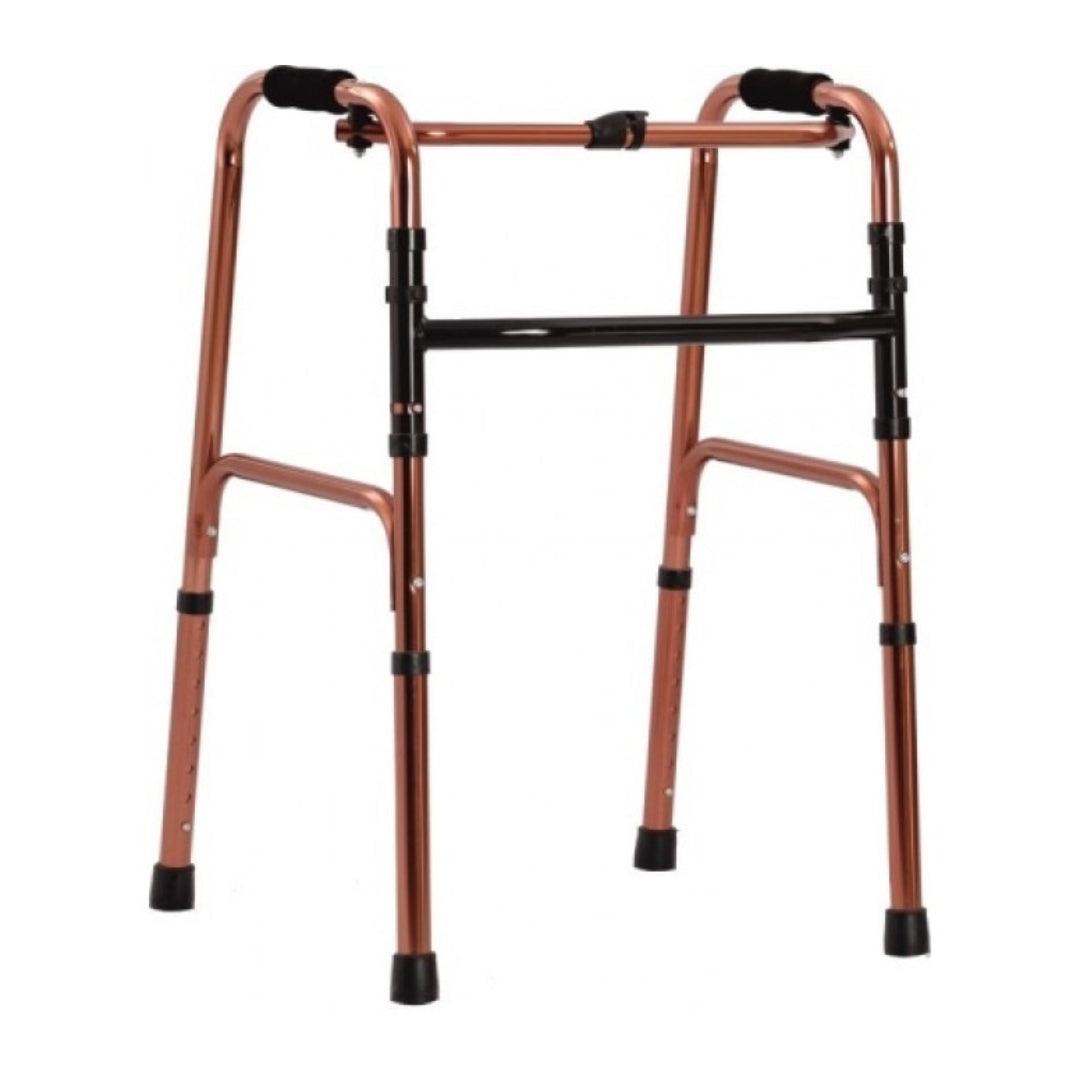
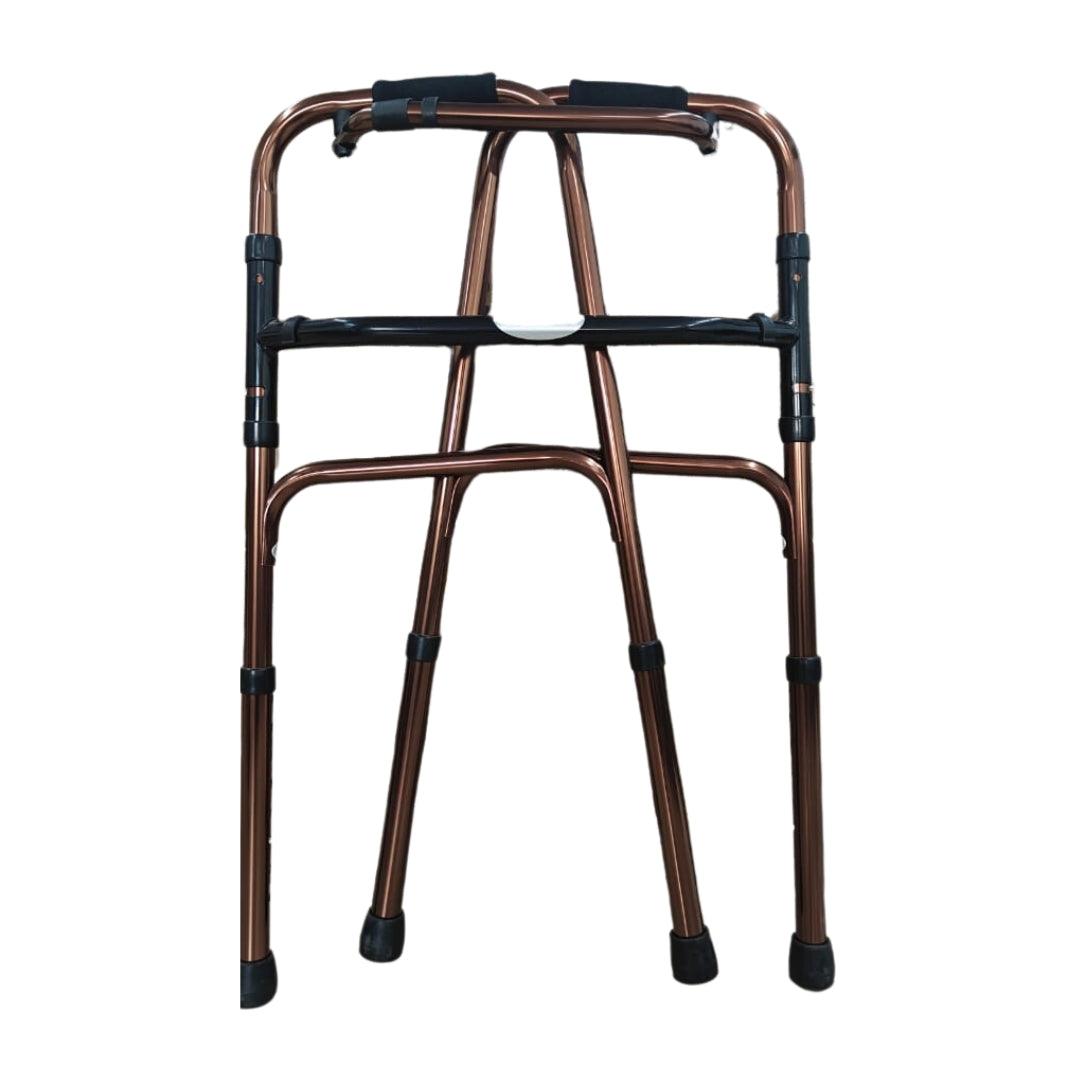
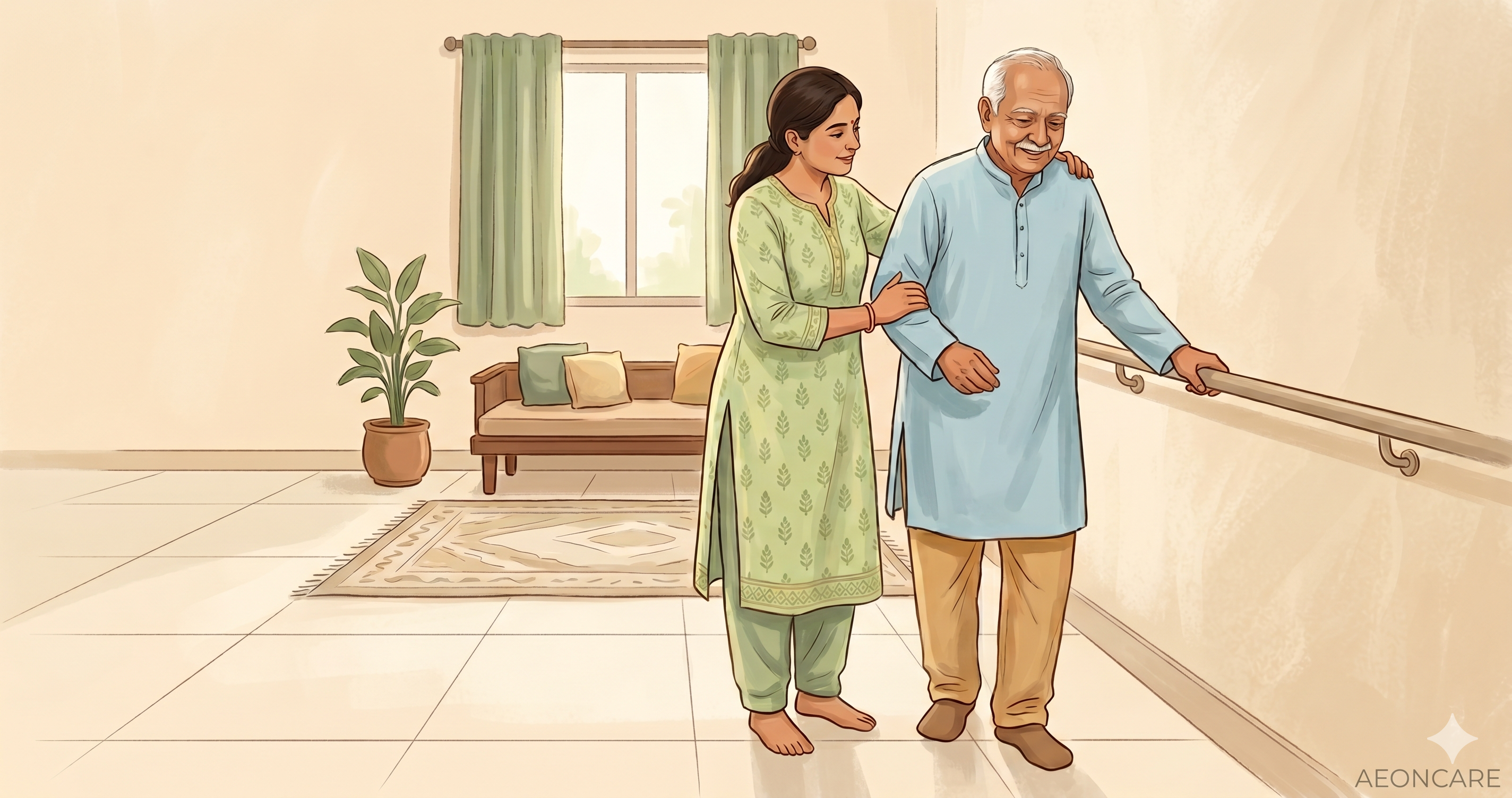
**Install safety aids strategically.** Grab bars in bathrooms, sturdy railings on staircases, and non-slip mats in wet areas make a measurable difference. These needn't look clinical—modern designs blend seamlessly into Indian home décor.
**Check footwear.** Loose slippers or worn-out shoes contribute significantly to falls. Encourage seniors to wear closed shoes with good grip and support, especially when moving around the house.
**Review medications.** Some drugs cause dizziness or drowsiness. A quick conversation with the doctor about timing and side effects can help identify fall risk factors.
**Maintain muscle strength.** Simple activities like walking, light stretching, or even standing on one leg for a few seconds improve balance. These don't require gym memberships-a short walk in the morning or evening works well.
**Three Key Takeaways**
Falls are preventable, not inevitable. Small environmental changes-better lighting, removing hazards, and adding support bars-significantly reduce risk. Regular movement and strength activities keep seniors mobile and confident. Finally, fall prevention isn't a one-time fix but an ongoing practice that adapts as a senior's needs change.
If you're uncertain where to start, professional assessments can identify specific risks in your home environment and suggest targeted solutions.