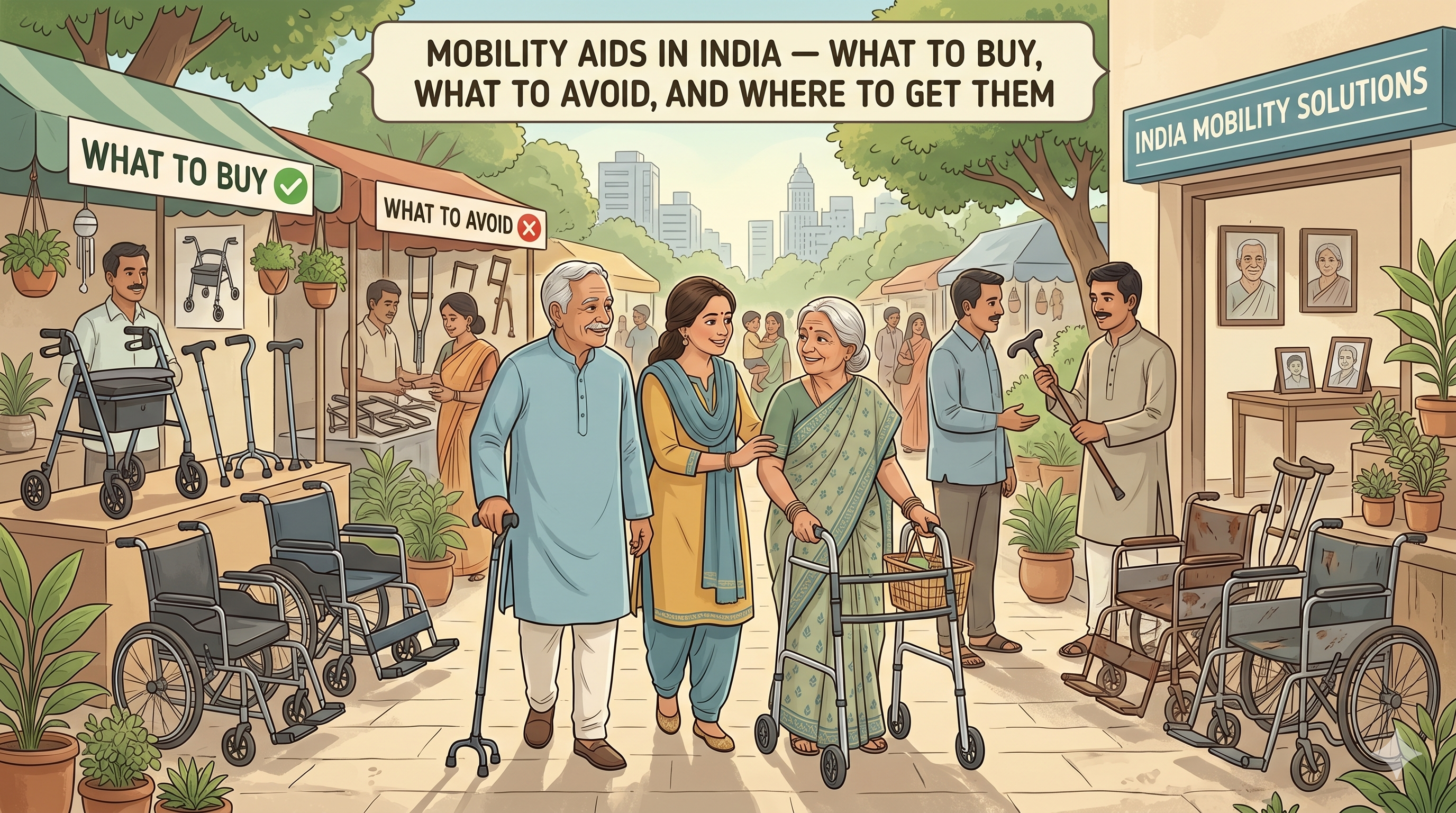
As parents age, maintaining independence becomes crucial for their dignity and quality of life. Mobility aids - walkers, canes, wheelchairs, and grab bars - can make a significant difference. However, navigating the Indian market for these products can be overwhelming. This guide helps families make informed choices.
What to Buy: Essential Mobility Aids
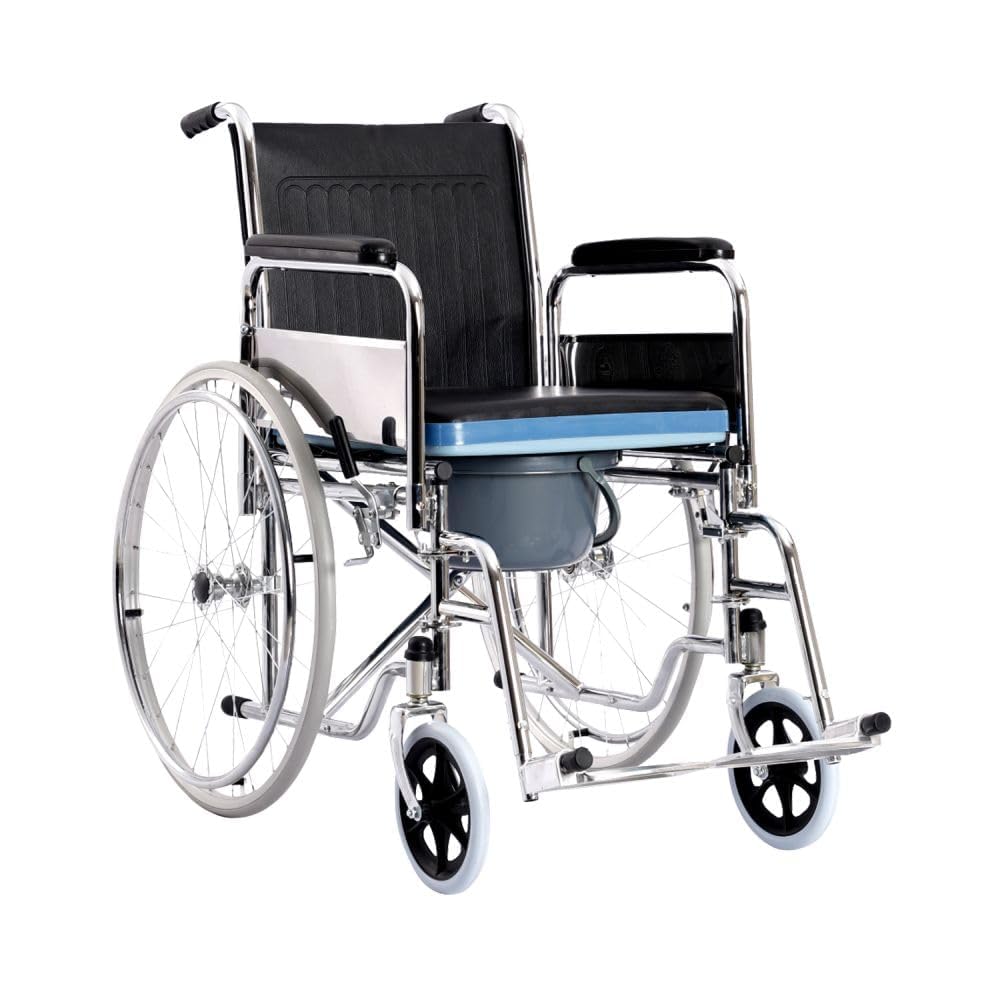
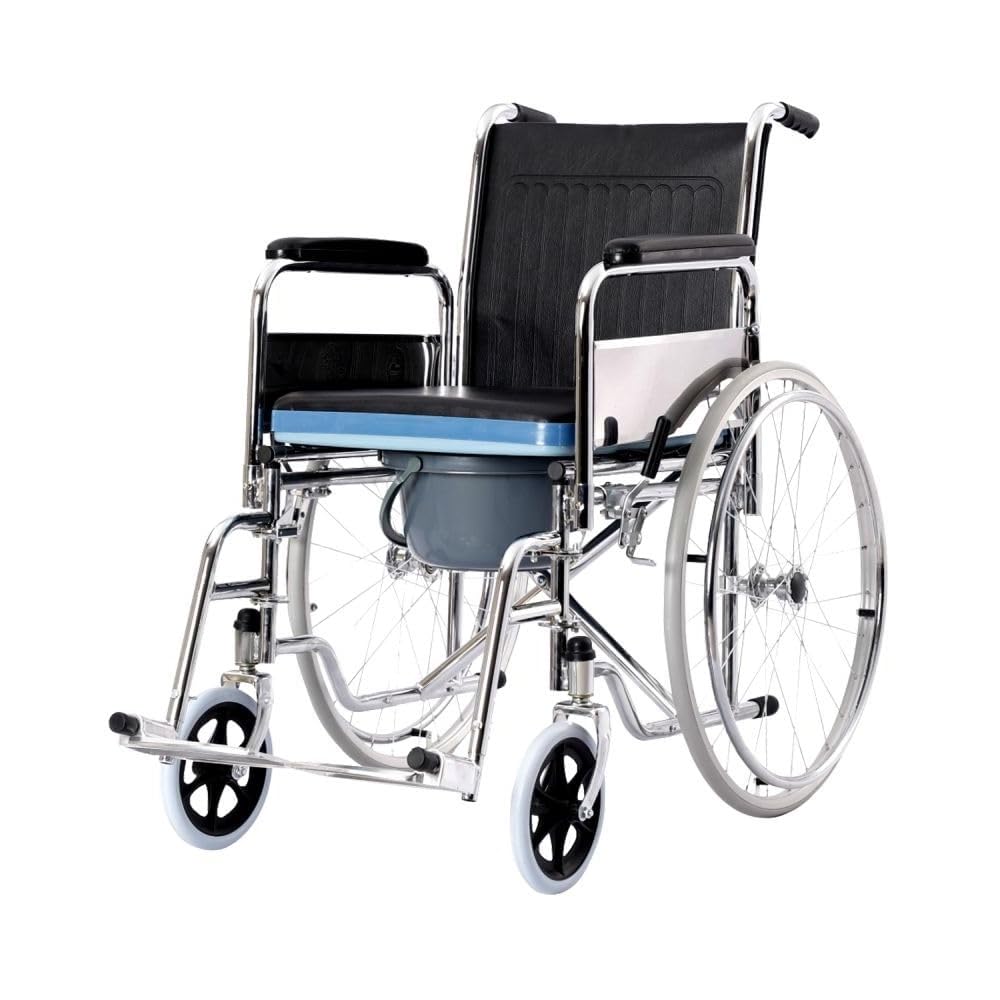
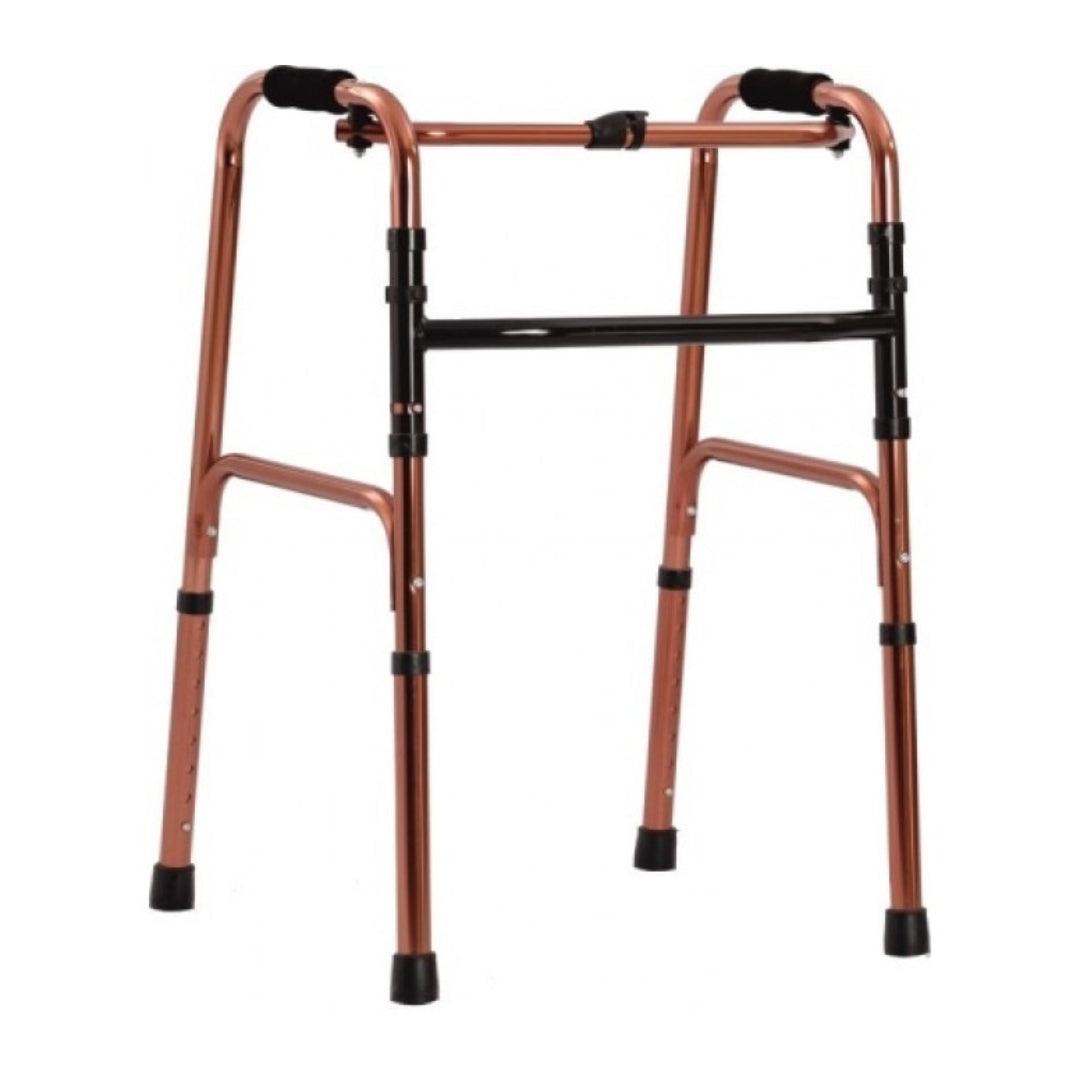
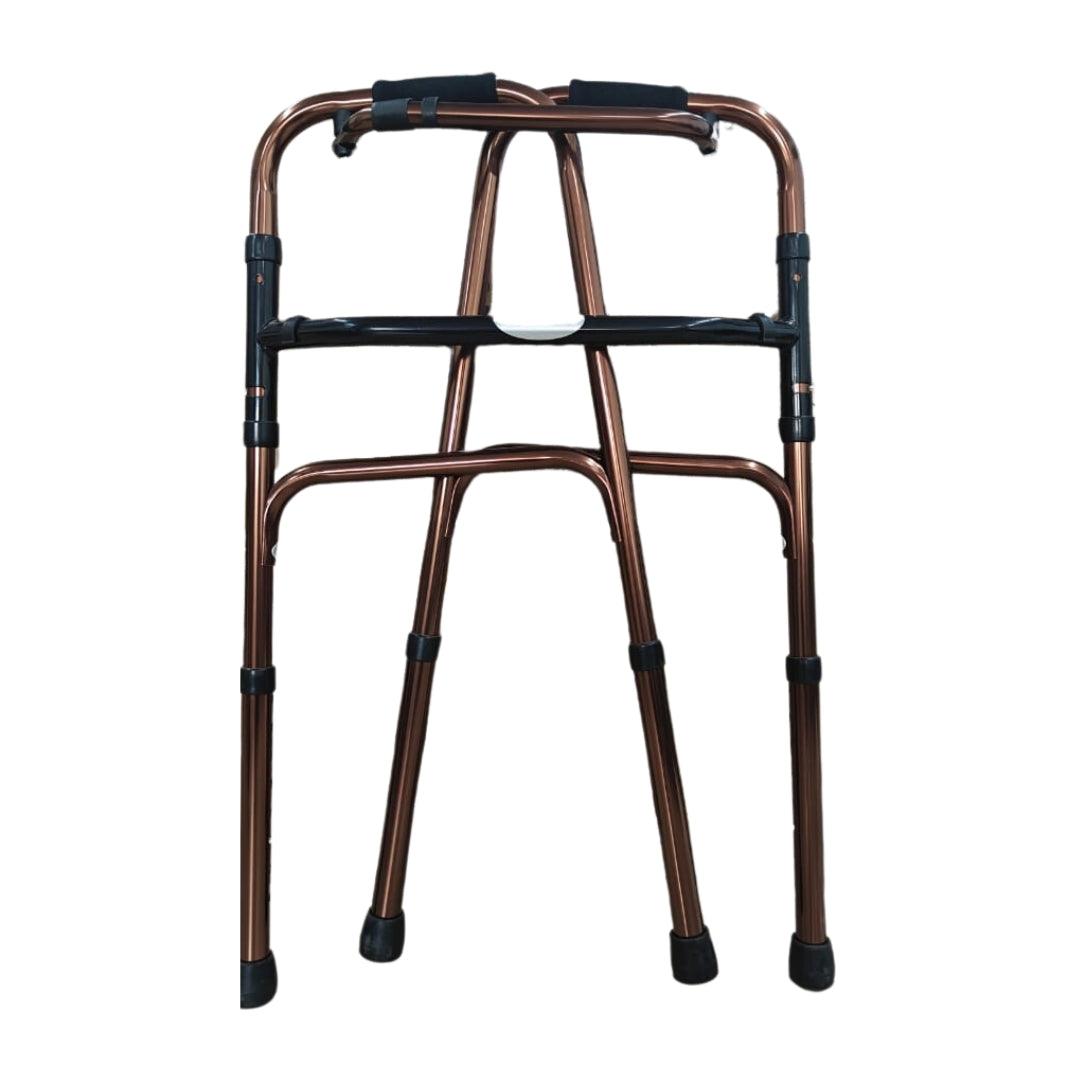
Walking sticks and canes suit seniors with mild balance issues or arthritis. Aluminum canes are lightweight and affordable; wooden canes offer better grip but require regular maintenance. Four-legged walkers provide stability for those with moderate mobility challenges, while rollators (walkers with wheels) work best for outdoor use in cities like Bangalore or Delhi where pavements are variable. Grab bars and rails are non-negotiable in bathrooms and staircases - slips are a leading cause of falls among elderly Indians. Anti-slip mats for bathrooms cost ₹500-1000 but prevent accidents effectively. For those with severe mobility restrictions, wheelchairs may be necessary. Manual wheelchairs are affordable and durable, while electric models suit those living in larger homes or apartments in metros.
What to Avoid
Cheap, unmarked aluminum walkers often have poor welding and collapse under weight. Similarly, counterfeit grab bars may not support the required load capacity. Avoid products without ISI certification or from unverified online sellers. Don't assume one aid fits all needs. A walker works for indoor use, but an elderly parent attending weddings or temple visits may need a lighter cane instead. Assess the specific environment and activity level.
Where to Buy in India
Authorized medical supply stores in major Indian cities offer certified products with warranties. These shops provide professional fitting services crucial for items like wheelchairs. Online platforms like Amazon and Flipkart offer convenience but verify seller credentials and read reviews carefully. Specialized retailers like Aeoncare provide curated mobility solutions with expert guidance, ensuring families get appropriate products without guesswork.
**A Common Scenario** Mrs. Iyer, 72, lives in Hyderabad with her son's family. After a minor stroke, she struggled with balance. Her family initially bought an expensive imported walker online without professional assessment. It proved too heavy for indoor navigation. A consultation with a local medical store led them to a lightweight four-legged walker - ₹3,500 - that suited her home layout perfectly. Within weeks, her confidence returned, and family stress decreased.
Key Takeaways
- Assess specific mobility challenges before purchasing - not all seniors need the same aid.
- Prioritize certified products from authorized dealers, even if slightly costlier.
- Involve elderly parents in selection to ensure comfort and regular use. Choosing the right mobility aid is an act of care.
Explore trusted options at www.aeoncare.in to find products and services tailored to your family's needs.