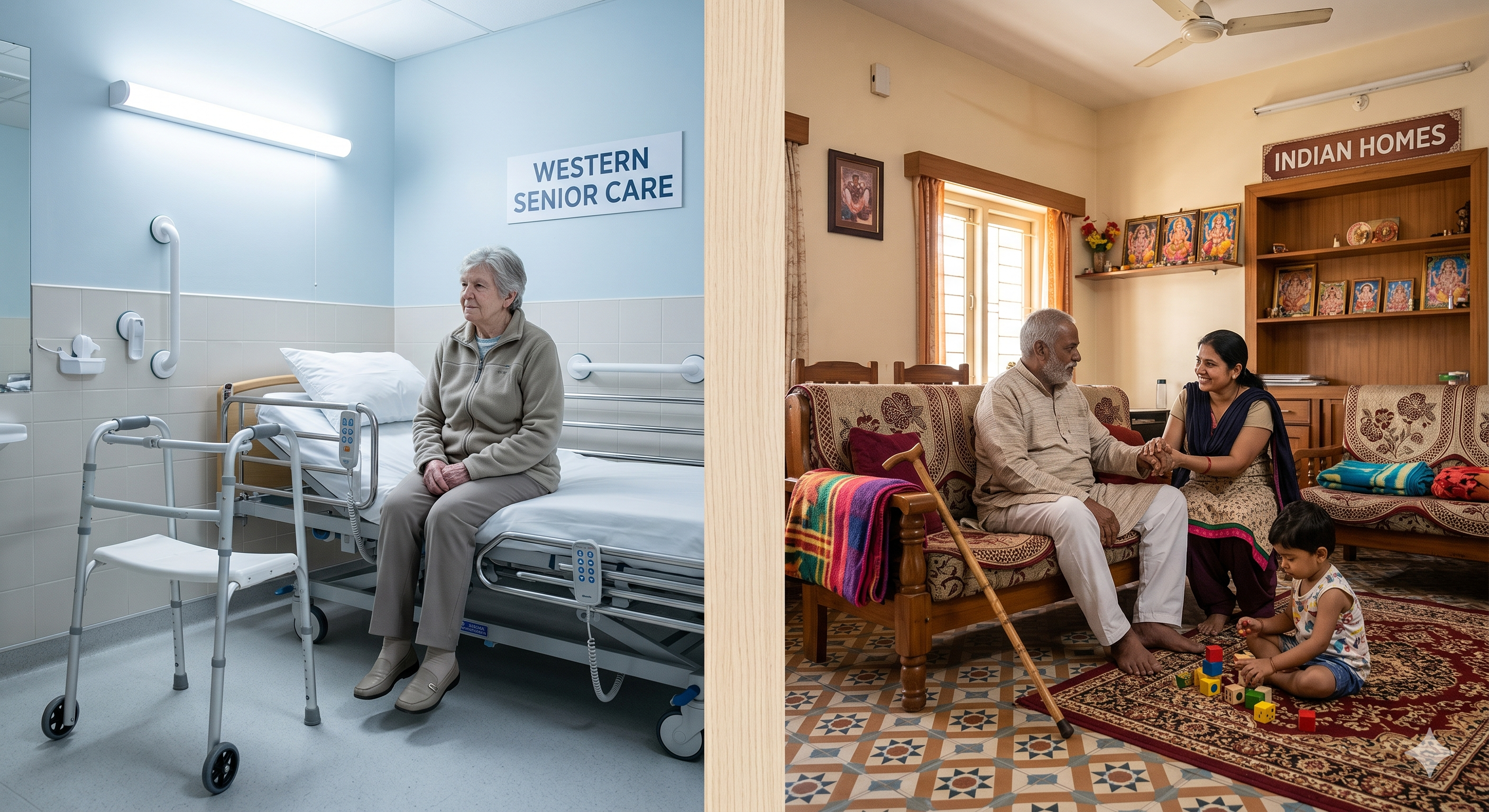
What Actually Works Senior care products designed in the West often arrive in Indian homes with great promises but limited practicality. The difference isn't just about price it's about how families live, where they live, and what they actually need.
The Space Problem
Western senior care solutions assume spacious homes with dedicated rooms, wide hallways, and accessible bathrooms built to specific standards. An average Mumbai apartment or Chennai home tells a different story. Multi-generational families share limited square footage. Grab bars installed in narrow Indian bathrooms need different mounting solutions. Mobility aids must navigate through doorways designed decades ago, around furniture that's remained unchanged, and past kitchen layouts that aren't wheelchair-friendly.
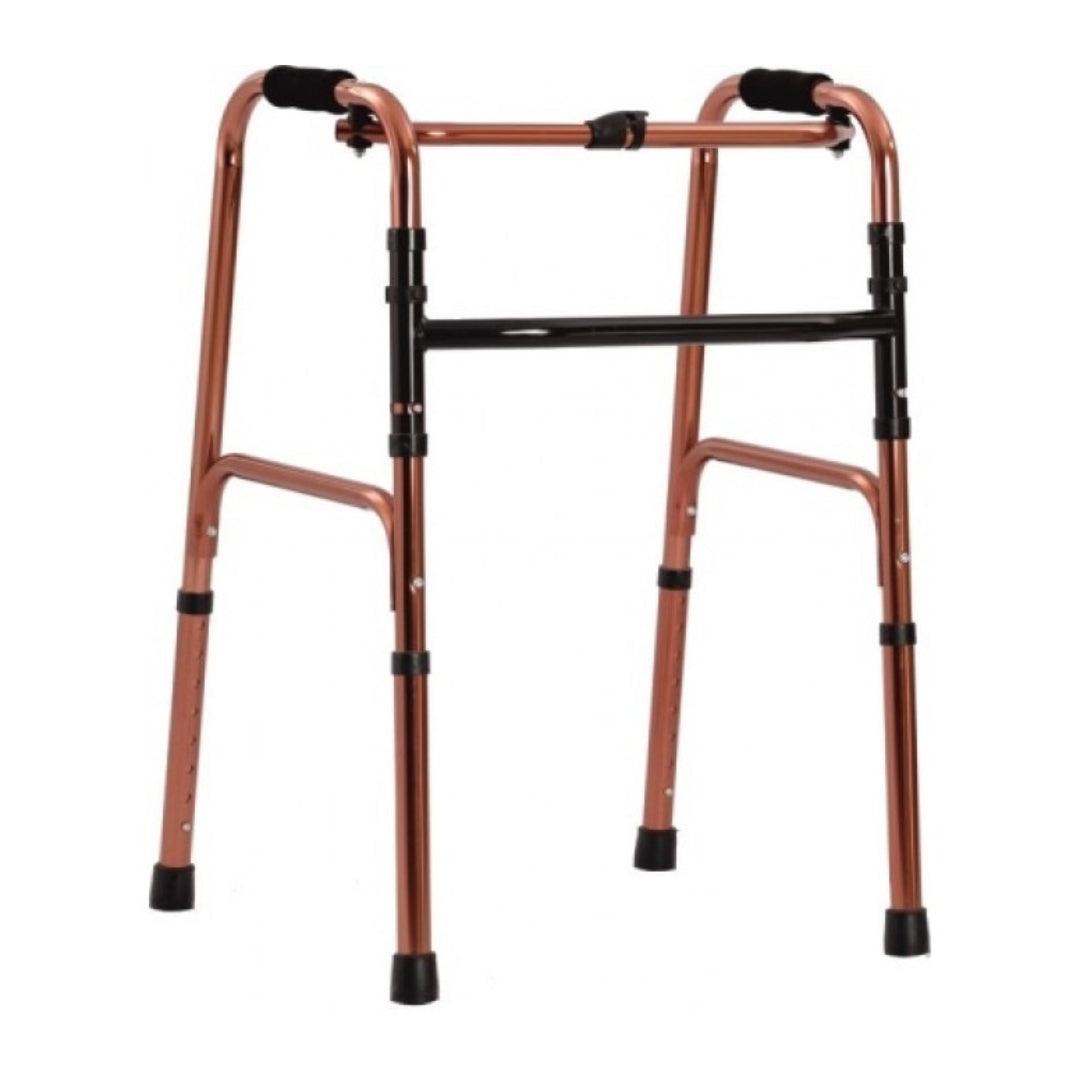
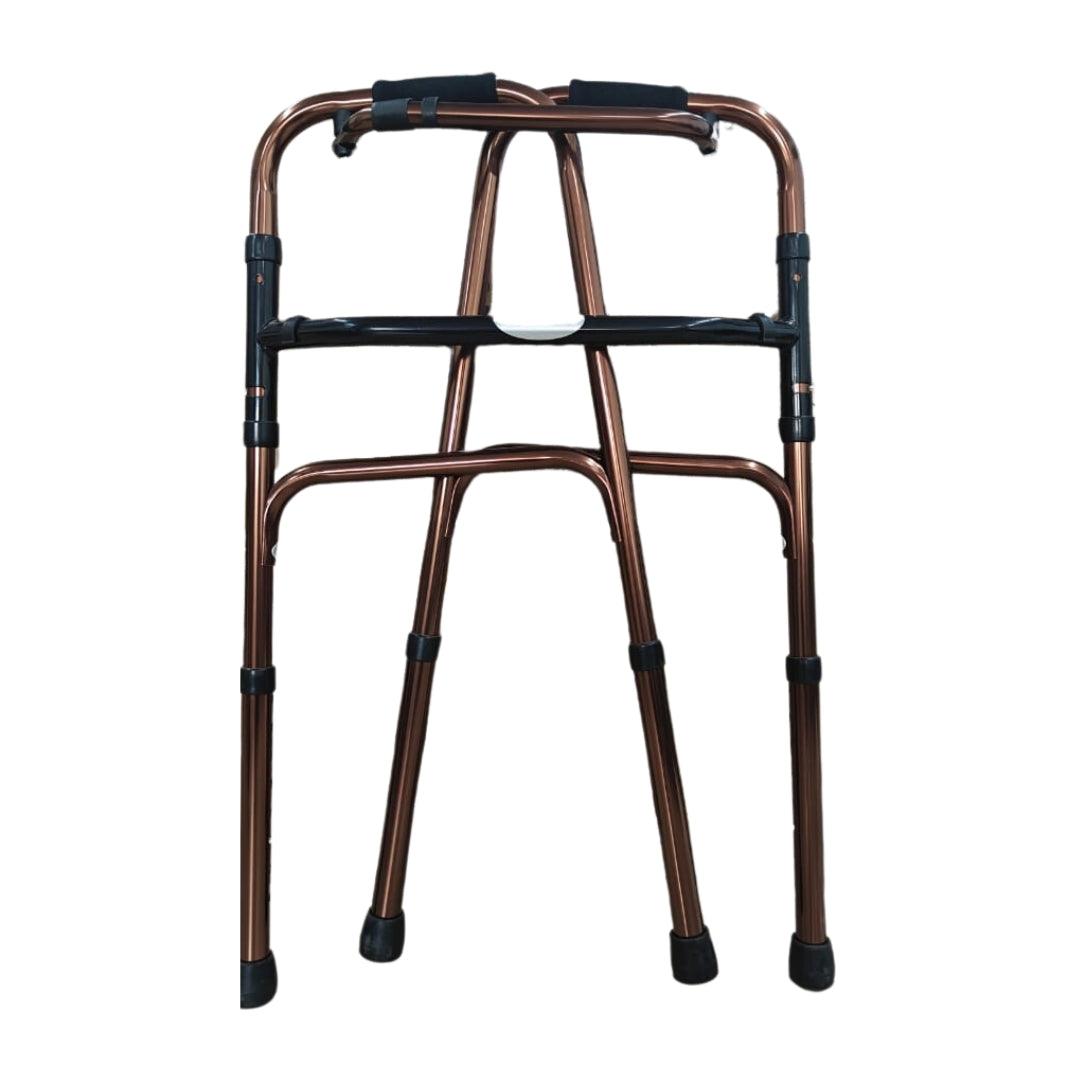
A typical scenario: Ramesh's family in Bangalore invested in an expensive Western brand walker. It arrived with wide wheels suited for American sidewalks, not Indian tiled floors and outdoor courtyards. The handle height didn't adjust properly for his 5'4" frame. After three months, it sat unused while he relied on a simple wooden stick proven, affordable, and actually suitable for his home.
Cultural Considerations
Matter Western products often ignore how Indian families actually function. In most Indian homes, an elderly parent sits in the living room with family, not isolated in a separate space. Care happens through proximity and routine morning tea prepared together, afternoon conversations on the veranda, meals at specific times with everyone present. Products designed for independent living don't account for this interdependence. A fall detection device that alerts a distant emergency center misses the reality: family members are usually within calling distance. What works better are practical aids that support participation cushioned seats that help rising from the floor, lightweight trays for carrying items, non-slip footwear.
Quality vs. Cost-Effectiveness
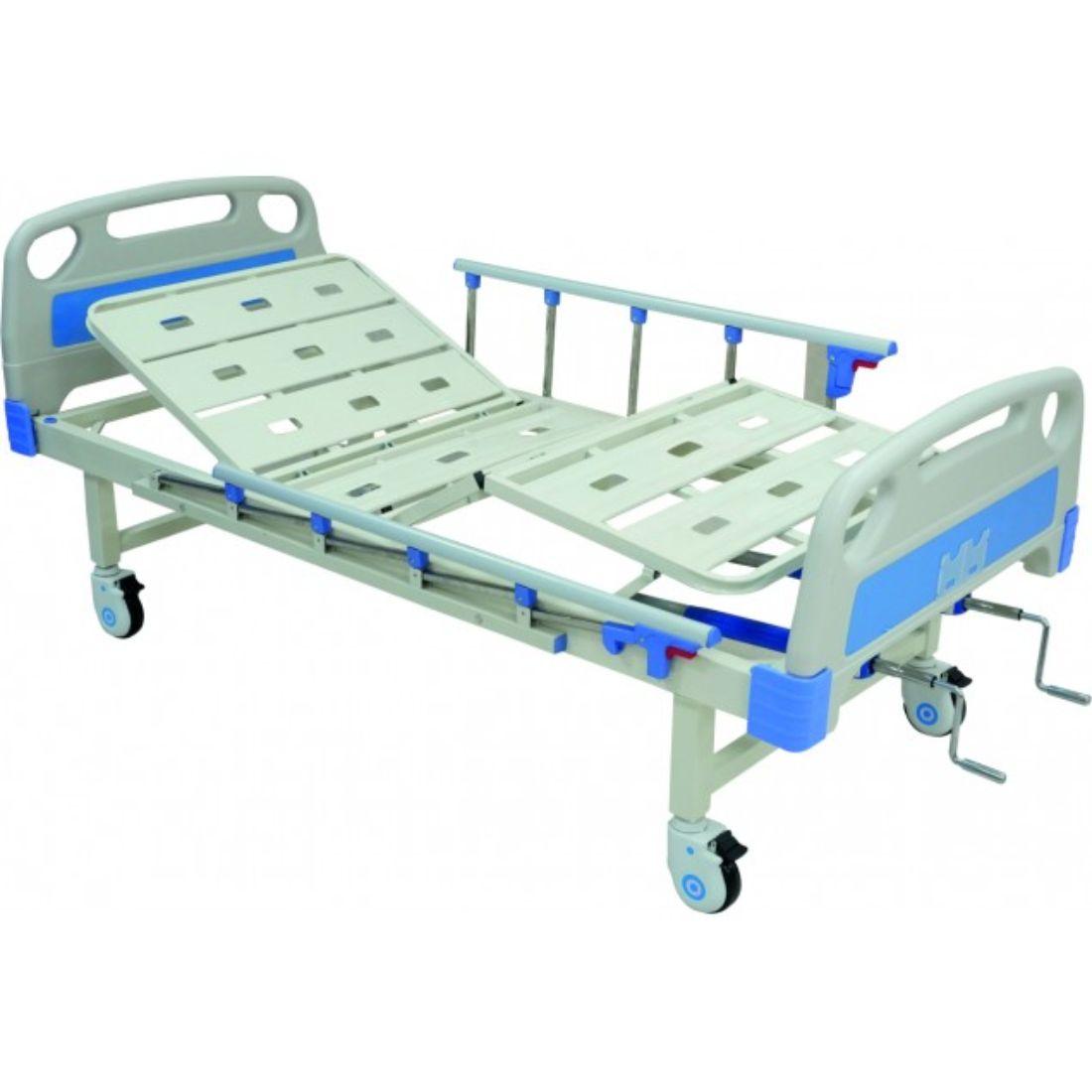
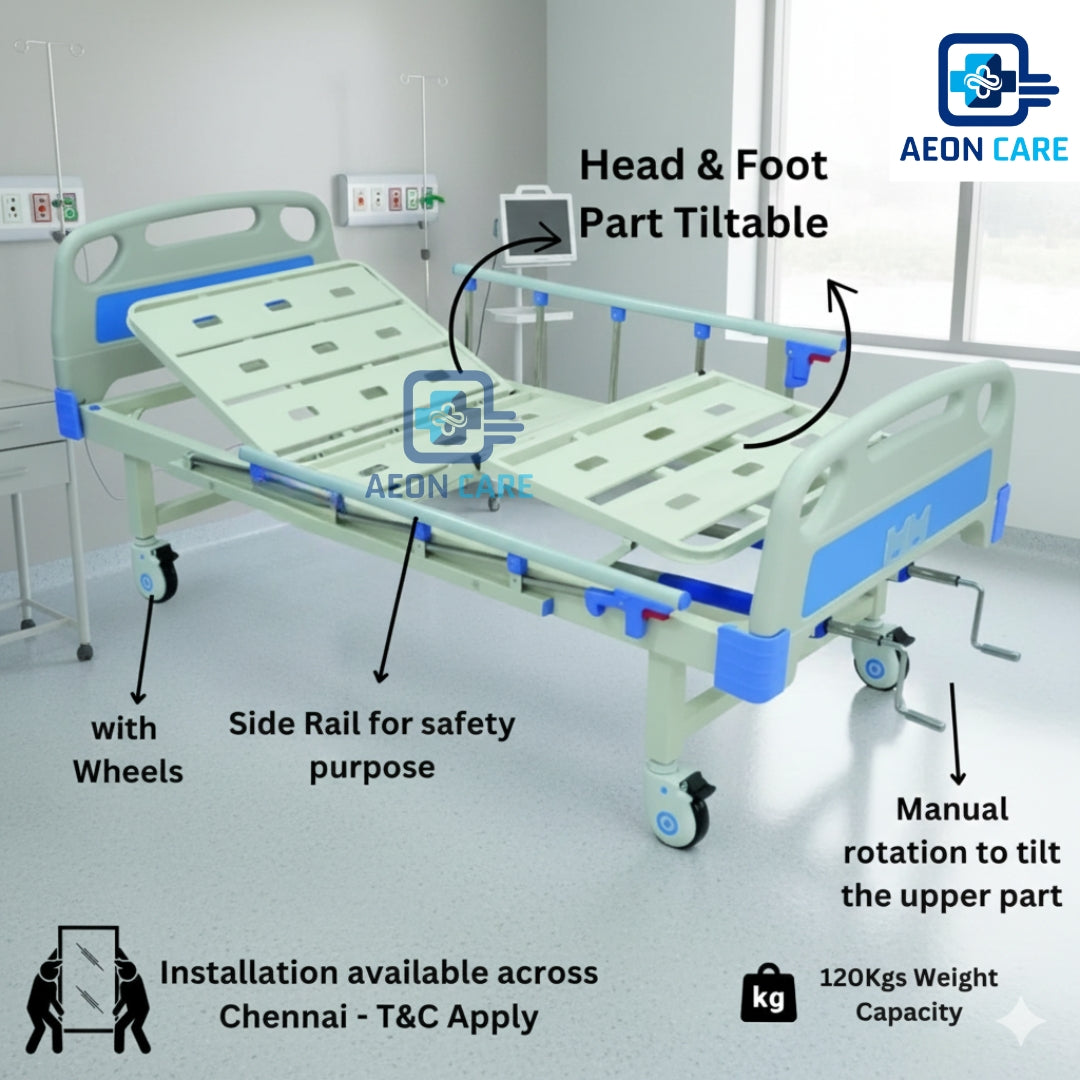
Premium Western brands prioritize features that don't always translate to value in Indian contexts. A motorized bed with ten adjustment settings costs significantly more than a simple wooden bed frame with proper mattress support which often serves the purpose equally well for elderly parents with basic mobility needs. This doesn't mean cheap products work better. It means thoughtfully designed products that understand local needs, materials, and affordability create real solutions.
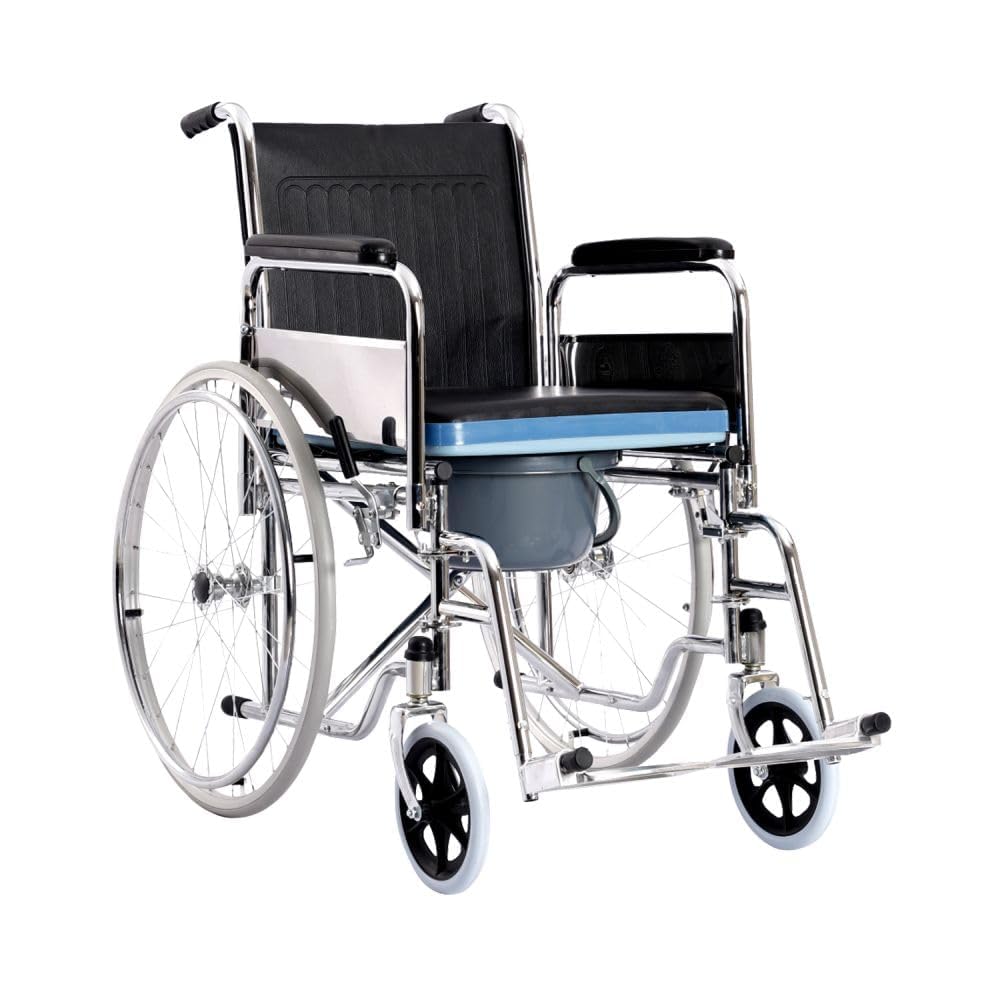
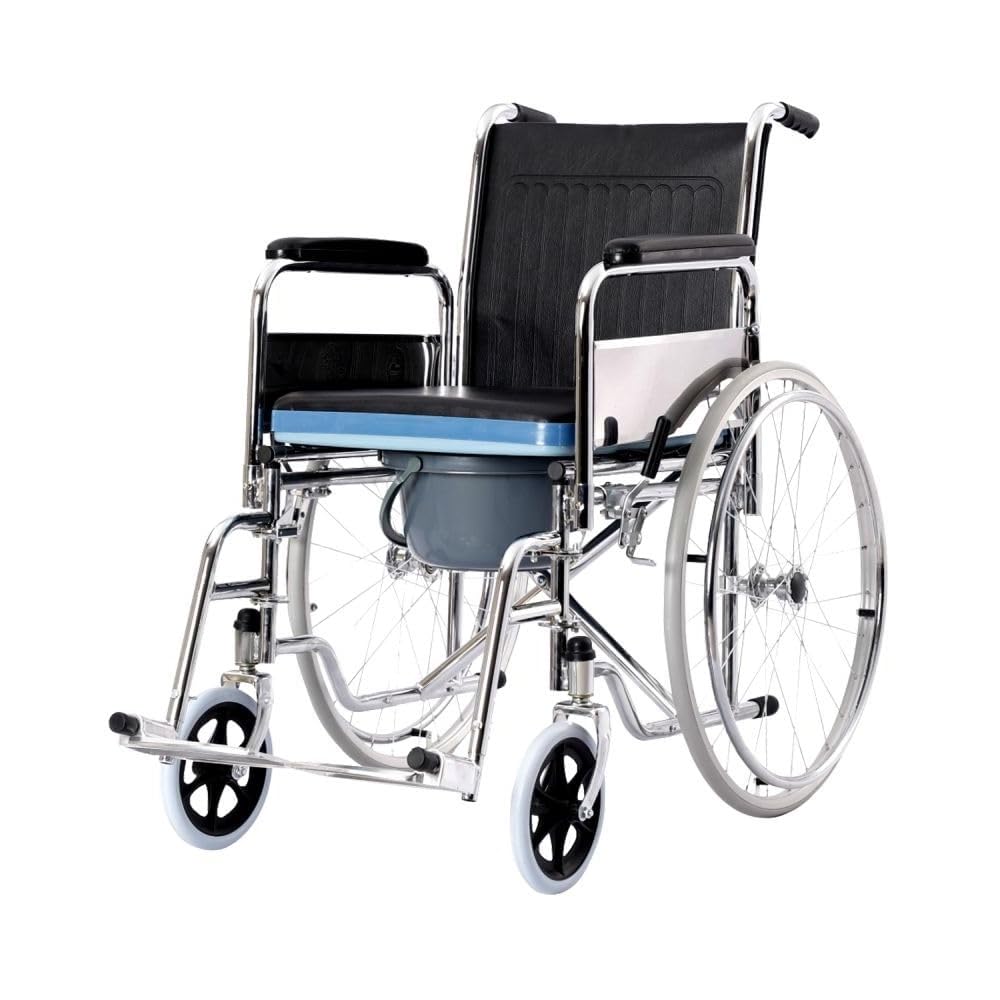
What Actually Works in Indian Homes Products designed with Indian living conditions in mind address real challenges: non-slip solutions for tiled floors, adjustable heights for traditional seating, compact designs for shared spaces, and price points that don't strain family budgets.
Practical Takeaways
- Assess your actual home layout, before purchasing not all products fit Indian architectural spaces
- Prioritize products designed for multi-generational living, not isolated senior spaces
- Choose practical aids that support family routines, not just independence-focused solutions Finding senior care products that truly work means looking beyond global brands toward solutions designed for Indian homes and families
Explore options specifically created for the Indian context at aeoncare.in.