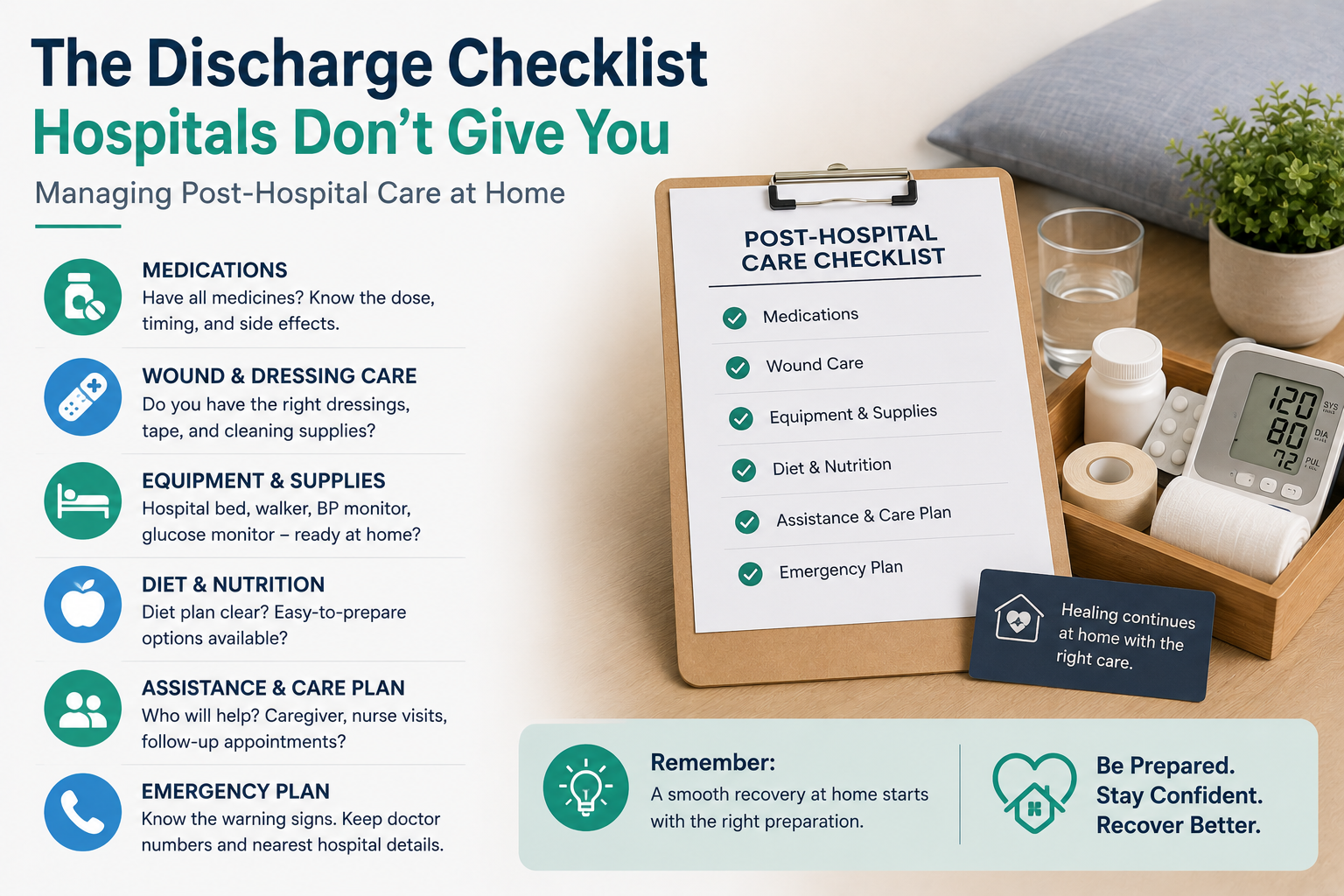
When an elderly parent is discharged from hospital in India, families typically receive a bundle of papers, a pharmacy bag, and verbal instructions delivered at speed. What they rarely receive is a structured checklist of what actually needs to happen at home in the first week, who is responsible for each task, and what warning signs demand immediate attention. This gap between clinical discharge and home readiness creates silent stress, missed medications, complications, and preventable re-admissions.
**What Gets Left Unsaid**
Hospitals focus on the diagnosis and immediate treatment. They do not systematically cover: how to modify the home for mobility limitations that have developed, how to supervise bathroom use safely, what the realistic recovery timeline looks like, whether the patient can return to their previous activities, or how family members should divide caregiving responsibilities when multiple people are involved. A 68-year-old woman was discharged after a fall and fractured wrist. The hospital gave her pain medication and a prescription for physiotherapy. No one explained that stairs would become dangerous, that she could not bathe independently, or that her daughter would need to take leave from work for at least two weeks. The family discovered these realities at 2 AM on day three, leading to panic and an unnecessary emergency room visit.
**The Critical Conversation That Doesn't Happen**
Before discharge, families should sit with a senior care coordinator or discharge nurse and confirm:
- Medication schedule, side effects, and what to do if a dose is missed
- Dietary restrictions and whether current kitchen practices need changing.
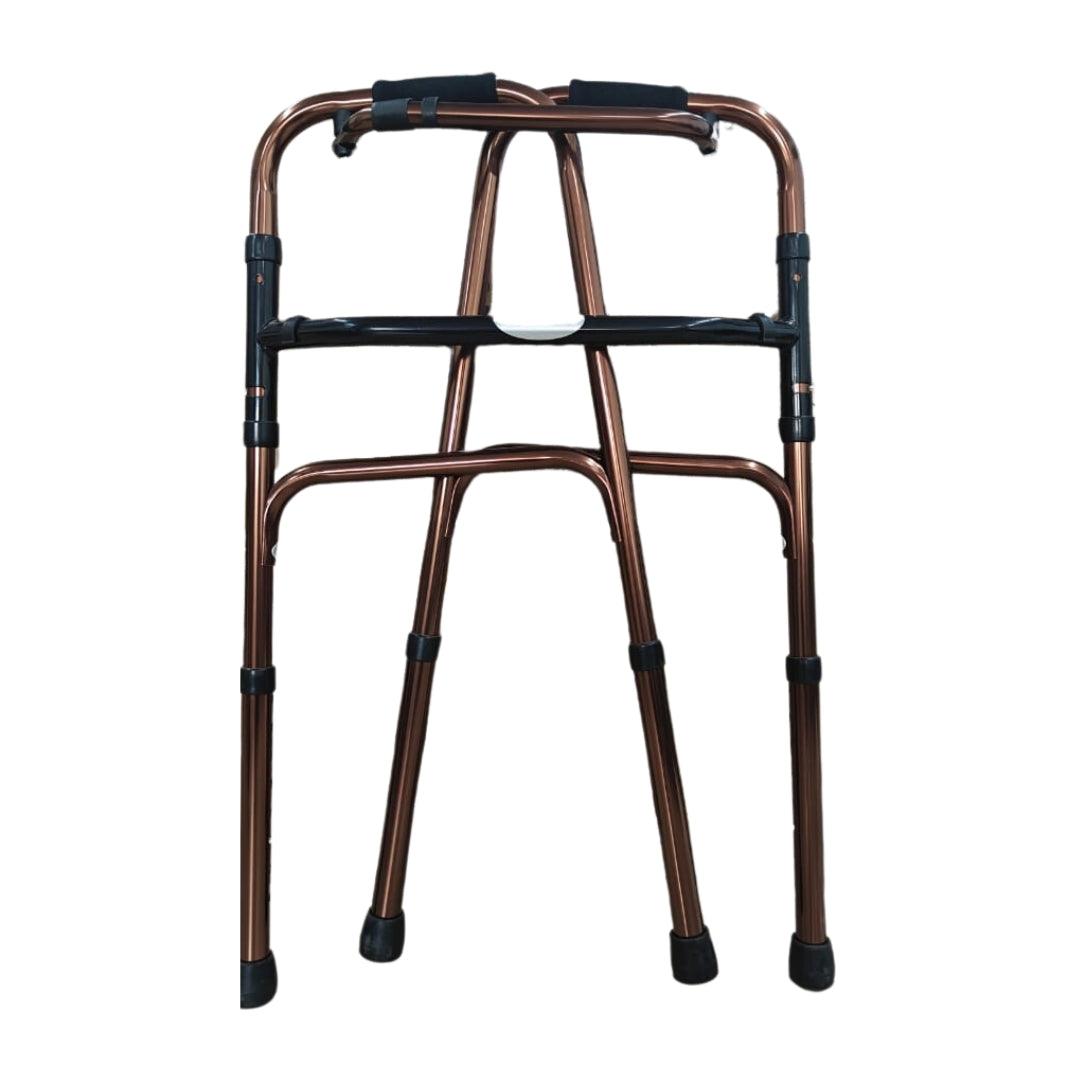
- Mobility limitations and required home modifications (grab rails, bed height, lighting)
- Bathing and toileting support needed, and whether existing plumbing arrangements are adequate
- Signs of infection, bleeding, or deterioration that require hospital return
- When to contact the doctor versus when to go directly to emergency care
- Physiotherapy schedule and who will transport the patient .
- Expected recovery milestones and timeline Most discharge paperwork addresses only items 1 and 5. The rest remain assumptions.
**What Families Need to Do Immediately**
Before bringing an elderly parent home, conduct a focused home assessment. Identify hazards like loose mats, poor lighting, or inaccessible bathrooms. Confirm medication storage and refrigeration needs. Arrange transport for follow-up appointments and physiotherapy sessions. Clarify with an employer whether work flexibility is needed. Discuss with co-caregivers who covers night shifts, medical appointments, and daily assistance.
**Practical Takeaways**
Request a written discharge summary that includes medication names, dosages, and specific side effects to watch for. Ask for a direct contact number for the treating physician rather than relying on hospital switchboards.
Schedule a follow-up appointment before leaving the hospital, not days later. Create a written caregiving plan at home and share it with all family members involved. Hospital discharge marks the beginning of care, not its end. Clarity at this moment prevents complications later.
For structured guidance on post-discharge home care, medication management, and caregiver coordination, visit aeoncare.in to explore senior care solutions tailored to your family's needs.