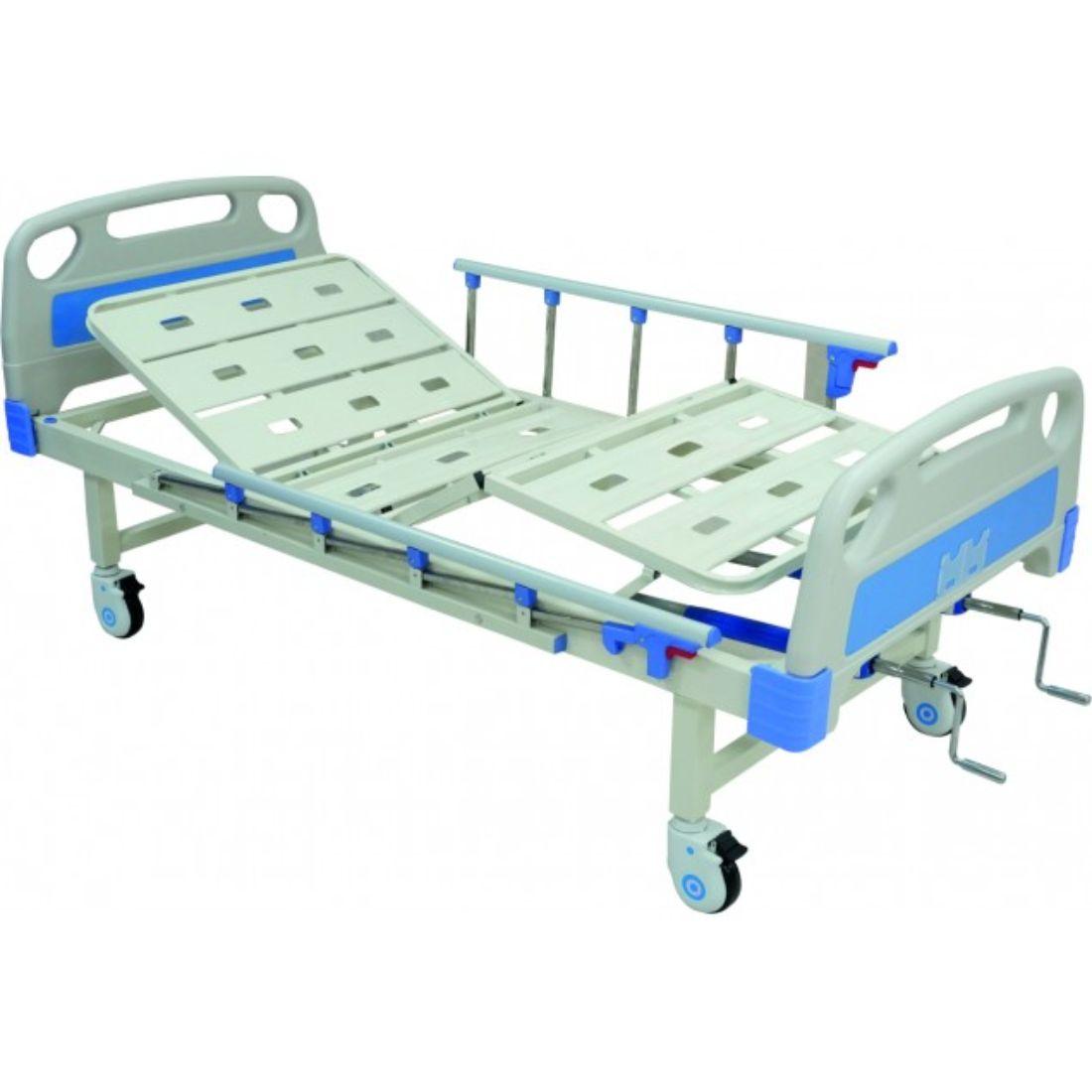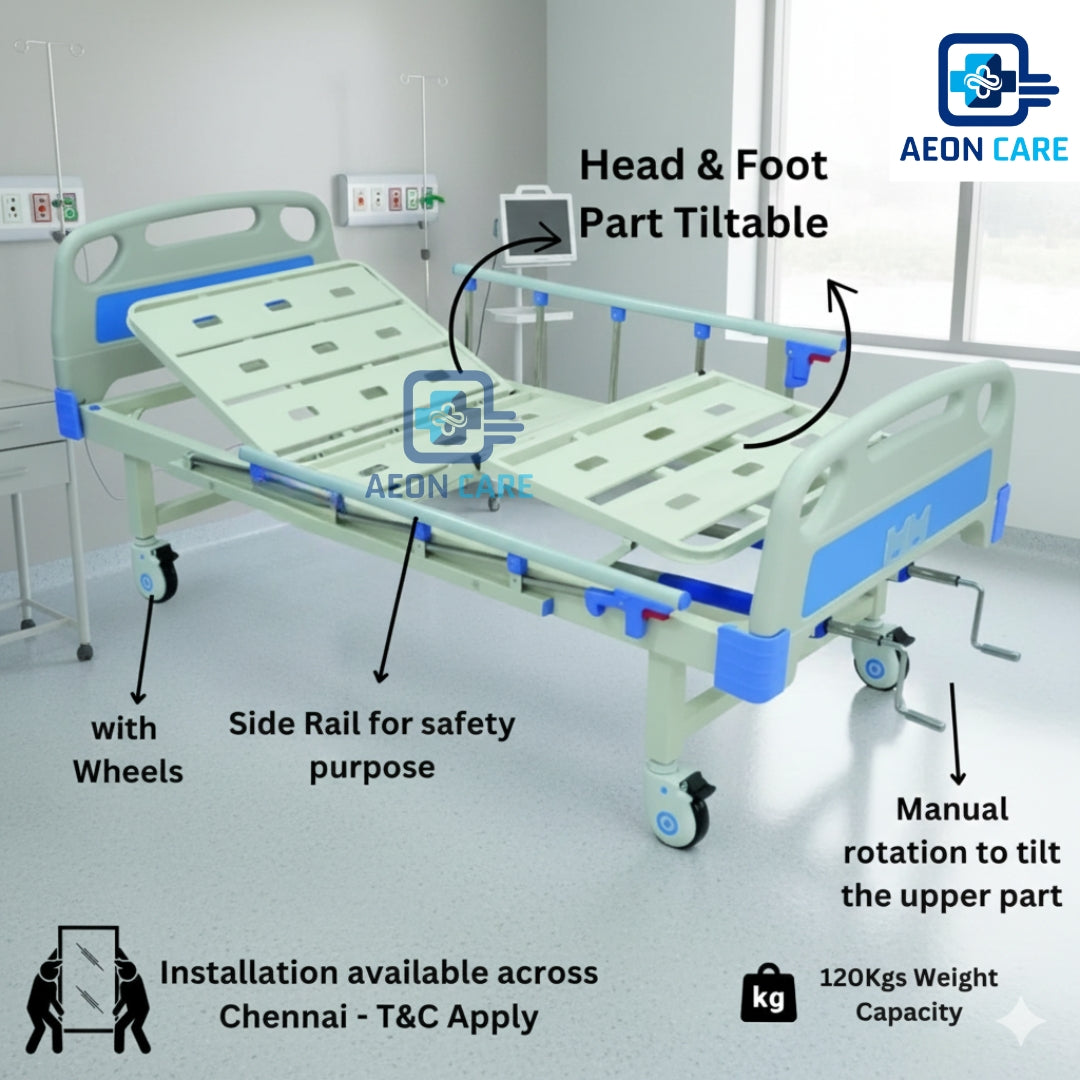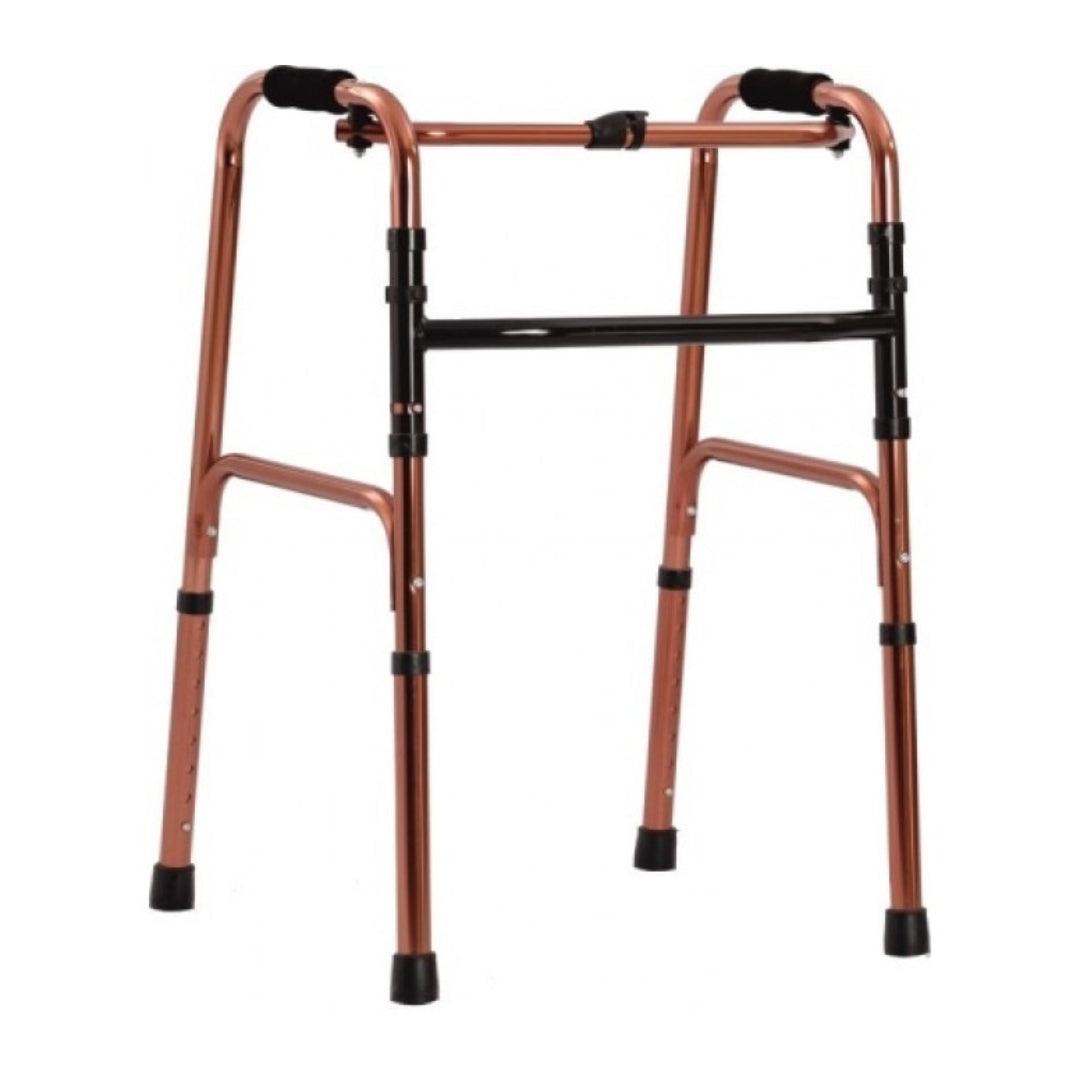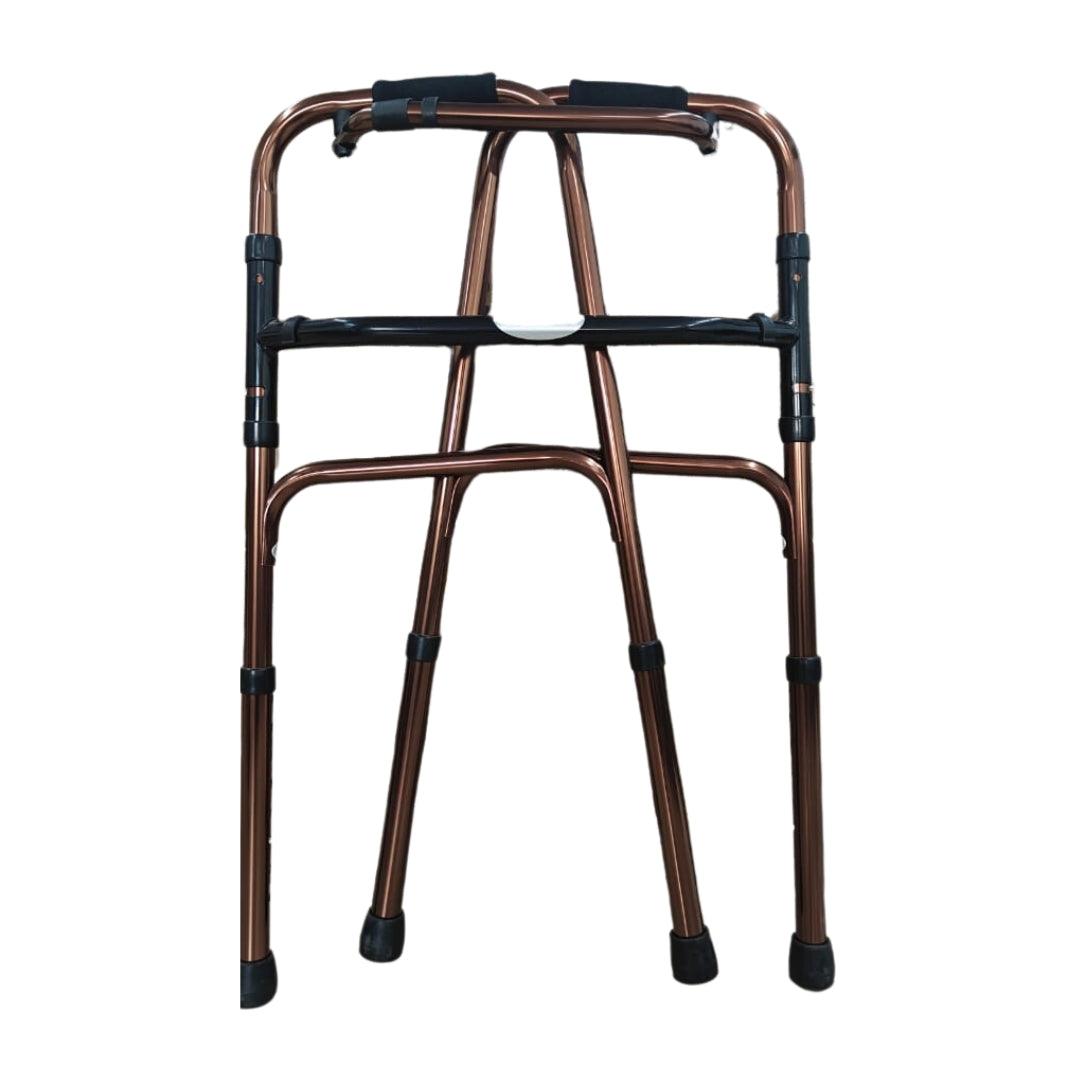
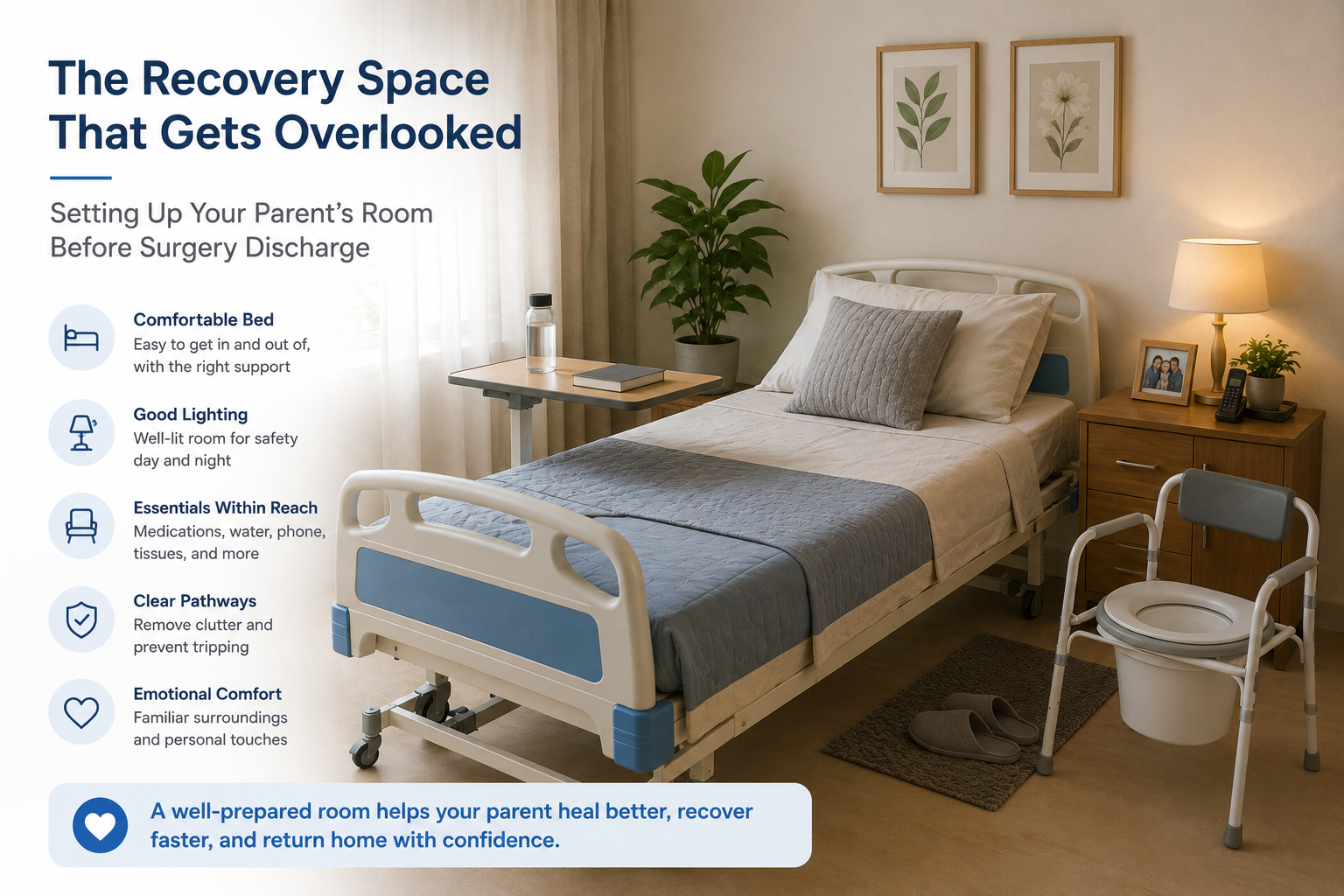
Surgery discharge happens fast. A parent walks into the hospital for a planned procedure, and three to five days later, they're cleared to go home. The hospital provides discharge papers, medication lists, and follow-up dates. What it rarely addresses is whether the bedroom itself is ready for recovery. The physical environment where your parent will spend the first two to four weeks after surgery directly affects their healing speed, safety, and ability to follow medical instructions. This setup is different from general aging-in-place modifications and deserves specific planning before discharge day.
**Why the Recovery Room Matters More Than You Think**
Post-surgery patients have reduced mobility, pain sensitivity, and unpredictable sleep patterns. A bedroom arranged for a healthy person becomes a liability. The goal is to eliminate unnecessary movement, reduce fall risk, and make essential items within arm's reach without bending, stretching, or standing repeatedly.
**The Layout That Works**
Start by identifying which side of the bed your parent will use (the operative side should be toward the room's interior, away from walls). Ensure a sturdy chair or armchair sits within two steps of the bed. This becomes the transition point for moving in and out. Many families overlook this and expect parents to walk directly from bed to bathroom, which is when falls happen. The bedside table should hold water, prescribed medications, a phone, tissues, and any pain relief equipment. Remove decorative items that create clutter or require dusting. Nightlights on the floor (not mounted high) should mark the path to the bathroom if nighttime trips are unavoidable.
**Bathroom Access Without Barriers**
The bathroom nearest to the recovery room becomes critical. Install grab bars before discharge if they don't exist, even temporarily. A raised toilet seat and a shower stool prevent strain on surgical wounds. Ensure towels, toiletries, and medical supplies are at waist height, not stored below or above.
**A Real Example** A 58-year-old in Bangalore underwent knee surgery. His bedroom was on the second floor, requiring stairs for bathroom access. The hospital cleared him for discharge, but his daughter realized the setup was dangerous. She rearranged the living room, moved a cot there, and adjusted bathroom access. Recovery took place without complications. Had she waited until discharge day, infections or falls could have extended healing time significantly.
**Practical Takeaways**
- Visit the recovery room three days before surgery. Test chair height, bed accessibility, and bathroom distance with an older person, if possible.
- Stock the bedside table with everything needed for eight hours before restocking. This reduces walking.
- Arrange for someone to stay nearby for the first week, even if your parent seems independent. Recovery rooms aren't about luxury. They're about preventing setbacks that turn a two-week healing period into a two-month complication.Aeoncare specializes in practical post-discharge care planning. Explore resources and services tailored to surgical recovery at aeoncare.in.